This dish pairs savory shrimp stir-fried noodles with juicy
This dish pairs savory shrimp stir-fried noodles with juicy
In Filipino cuisine, few dishes capture the warmth of home quite like Nilagang Baka. This clear beef soup, simmered low and slow with vegetables, is the ultimate comfort food for many Filipino families. Simple, hearty, and soul-soothing, Nilagang Baka is the kind of meal that brings people together around the dinner table, rain or shine.:max_bytes(150000):strip_icc():format(webp)/SimplyRecipesNilagangBakaLead-6SERPAlt-b90304e959ad4e5a93aa58a2ae996183.jpg)
Whether you're new to Filipino food or longing for a taste of home, this recipe will guide you step by step to create an authentic Nilagang Baka that’s rich in flavor, incredibly nourishing, and wonderfully satisfying.
“Nilaga” means “boiled” in Tagalog, and Nilagang Baka literally translates to “boiled beef.” But don’t let the simplicity of the name fool you—this dish is full of subtle depth.
At its core, Nilagang Baka is a beef stew made with meaty bone-in cuts like shank or short ribs, boiled until tender, then simmered with a variety of vegetables such as potatoes, cabbage, corn, and plantains. The result is a light but deeply flavorful broth, naturally sweet from the vegetables and savory from the beef.
Nilagang Baka holds a special place in Filipino hearts because:
It’s comforting and filling, perfect for rainy days or family dinners.
It uses simple, accessible ingredients—often whatever’s in season.
It’s a one-pot wonder, ideal for busy cooks or big gatherings.
And like many Filipino dishes, there’s room to adapt it based on your preferences or what’s available in your kitchen.
This recipe serves 4–6 people and takes about 1.5 to 2 hours to cook (mostly hands-off time!).
2 to 2.5 lbs beef shank, bone-in (you can also use short ribs or brisket)
10 cups water (more as needed)
1 onion, peeled and quartered
4 garlic cloves, smashed
1 teaspoon whole peppercorns
Salt to taste
Fish sauce (optional, for extra umami)
2 medium potatoes, peeled and halved
2 ears corn, cut into chunks
1 ripe plantain or saba banana, peeled and halved (optional but traditional)
1 small cabbage, cut into wedges
1 bunch green beans, ends trimmed
2 carrots, peeled and cut into large chunks
Green onions, chopped
Calamansi or lemon wedges for serving
Fish sauce or soy sauce on the side
In a large pot, place the beef shank and cover it with water. Bring to a boil over high heat. As it starts to boil, skim off the scum and impurities that rise to the surface using a ladle or slotted spoon. This step ensures a clear broth.:max_bytes(150000):strip_icc():format(webp)/SimplyRecipesNilagangBakaLead-8SERP-b6bc96d8f75a483990194666478ca599.jpg)
Once the scum is removed, add the onion, garlic, and peppercorns. Lower the heat to a simmer and cover. Let it cook for 1.5 to 2 hours, or until the beef is fork-tender and the broth is flavorful. Add more water as needed to keep the beef submerged.
Once the beef is tender, add the potatoes, carrots, corn, and plantains. Simmer for another 10–15 minutes, or until the root vegetables are almost cooked through.
Next, add the green beans and cabbage. Cook for another 5–7 minutes, or until all vegetables are tender but not mushy.
Taste and adjust the seasoning. Add salt or a splash of fish sauce to deepen the flavor. The broth should taste savory with a natural sweetness from the vegetables.
Ladle the broth, beef, and vegetables into large bowls. Serve hot with steamed white rice and a side of fish sauce, soy sauce, or calamansi for dipping.
Use bone-in cuts: Beef shanks or short ribs give the broth a rich, meaty flavor thanks to the bones and marrow.
Simmer low and slow: Patience pays off. The longer you simmer the beef, the more tender it becomes, and the better the broth tastes.
Skim the broth: This helps you achieve that signature clear soup that makes Nilagang Baka so appealing.
Don’t overcook the greens: Add cabbage and green beans last to keep them vibrant and slightly crisp.
Nilagang Baka is versatile. Here are a few regional and creative variations:
With saba banana or plantain – Adds a subtle sweetness that balances the savory broth.
With rice water or broth cubes – For a heartier flavor when beef bones aren't available.
With pechay (bok choy) instead of cabbage – A common substitute in many households.
With sweet corn or baby corn – Either version adds a natural sweetness to the dish.
This beef stew is typically enjoyed with:
Steamed white rice – The broth soaks beautifully into the rice.
Sawsawan (dipping sauce) – Fish sauce with calamansi or vinegar with chili makes a tangy contrast.
Crusty bread or pandesal – For a Western-Filipino fusion touch.
It’s also common to serve Nilagang Baka as a centerpiece for lunch or dinner, surrounded by other classic Filipino sides like lumpia, ensaladang mangga, or grilled fish.
This dish isn’t just a recipe—it’s a hug in a bowl. The aroma of beef simmering with garlic and onions, the sweetness of vegetables, and the comforting warmth of a clear, nourishing broth all work together to create something special.
It’s great for:
Family dinners
Make-ahead meals
Cold or rainy days
Sharing a taste of Filipino culture
Nilagang Baka is proof that the simplest dishes often carry the deepest meaning. It’s a humble stew, but one that represents home, tradition, and the love that goes into slow-cooked meals. Whether you grew up eating it or are just discovering it for the first time, making this dish is an experience in comfort, flavor, and Filipino pride.
Try it today—and don’t forget the extra rice!
This dish pairs savory shrimp stir-fried noodles with juicy
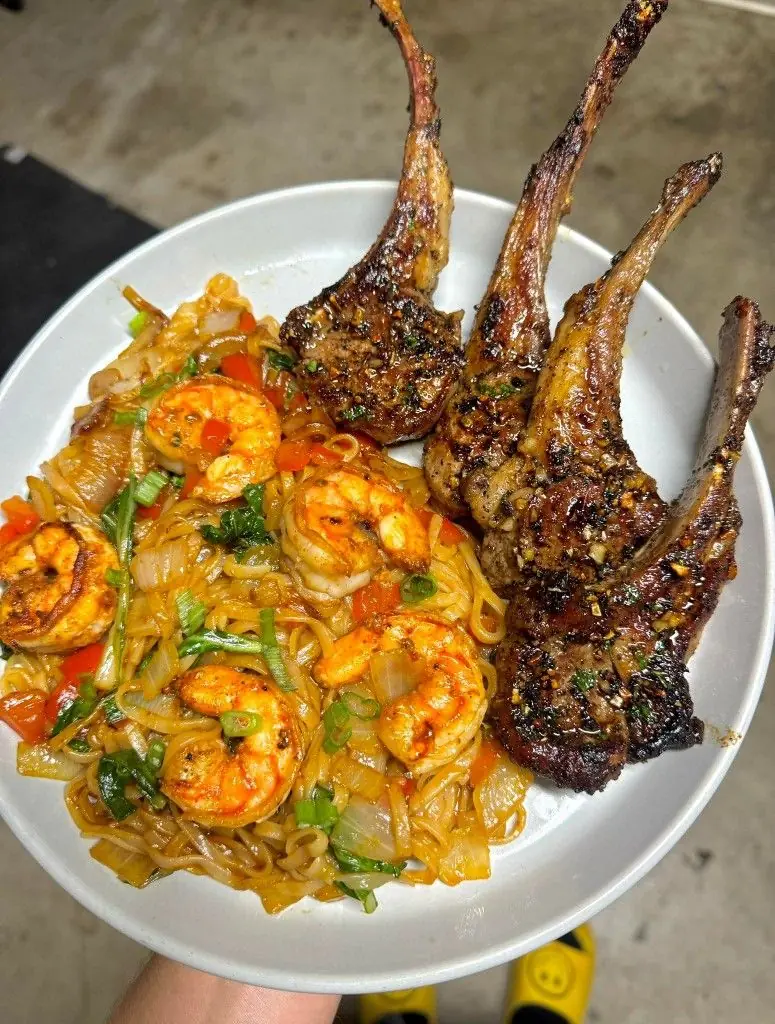
This dish pairs savory shrimp stir-fried noodles with juicy




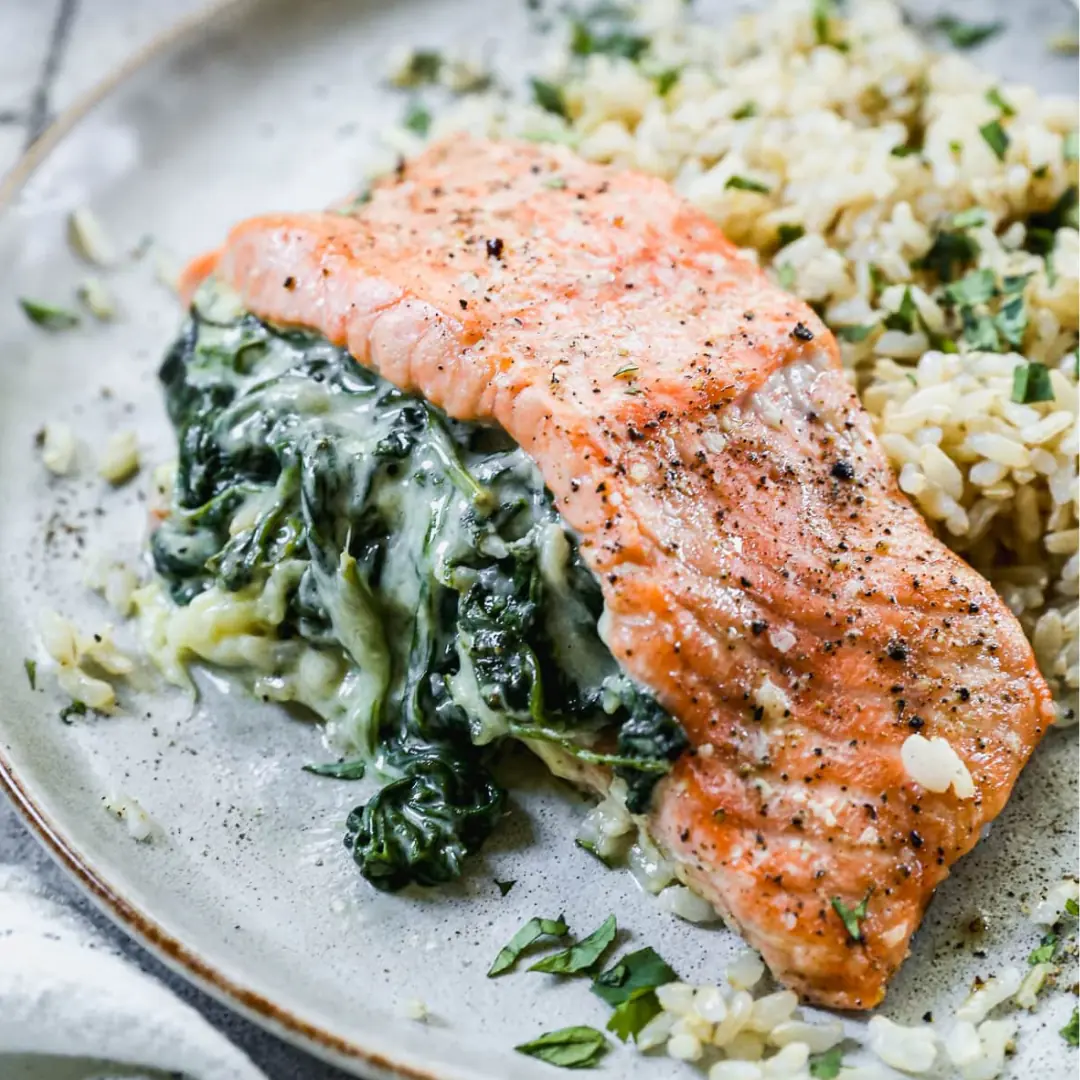






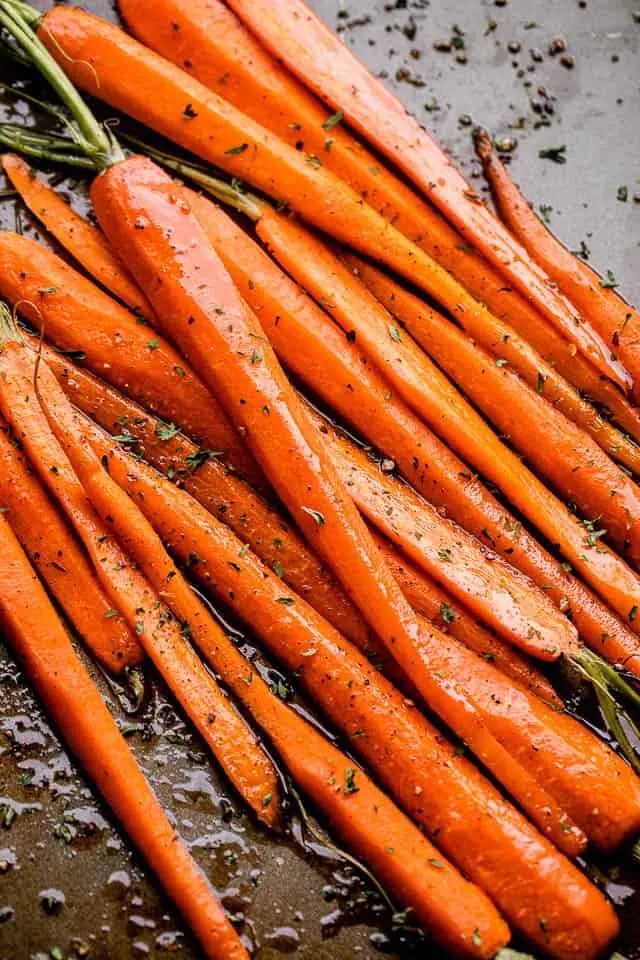




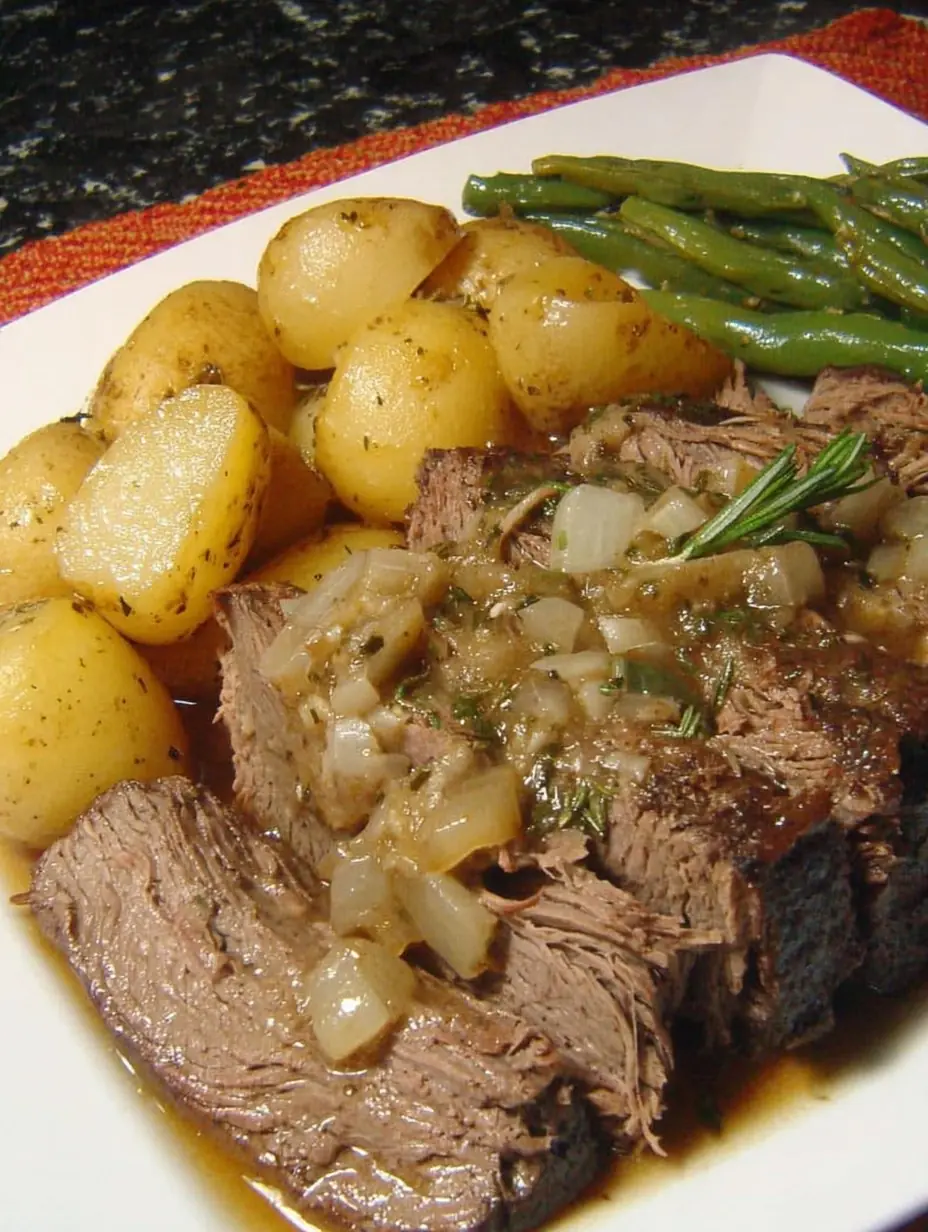

This dish pairs savory shrimp stir-fried noodles with juicy
This dish pairs savory shrimp stir-fried noodles with juicy