This dish pairs savory shrimp stir-fried noodles with juicy
This dish pairs savory shrimp stir-fried noodles with juicy
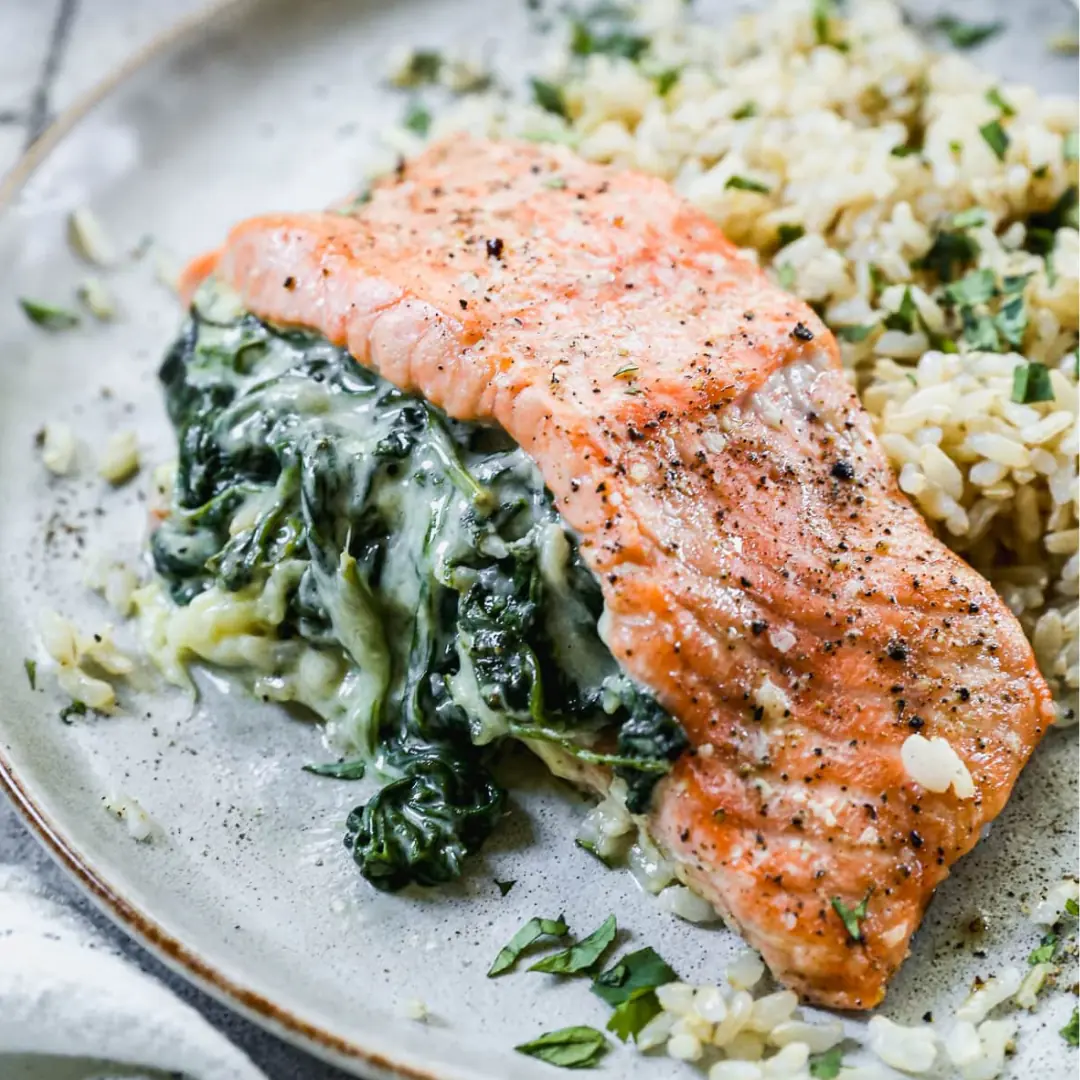
Cooking healthy meals that are both flavorful and easy to prepare can sometimes feel challenging, especially on busy weeknights. That’s why recipes like baked salmon with potatoes and asparagus are a lifesaver. This one-pan dish combines tender salmon fillets, golden roasted potatoes, and crisp asparagus, all infused with garlic, lemon, and herbs. It is a wholesome, nutrient-dense meal that feels fancy enough for a dinner party but simple enough for a weeknight dinner.
Balanced and Nutritious: Salmon is an excellent source of protein and omega-3 fatty acids, while potatoes provide satisfying carbs, and asparagus adds fiber, vitamins, and antioxidants.
One-Pan Convenience: Everything cooks together on a single sheet pan, minimizing cleanup while maximizing flavor.
Flavorful and Fresh: A combination of garlic, lemon, paprika, oregano, and butter gives the dish a bright and savory flavor profile.
Customizable: You can easily swap the vegetables, adjust the spices, or use sweet potatoes instead of regular ones.
Here’s what you’ll need:
2 salmon fillets
2 medium potatoes, halved
1 bunch of asparagus, tough ends removed
2 tablespoons olive oil
2 garlic cloves, minced
Juice of 1 lemon
1 teaspoon paprika
1/2 teaspoon black pepper
1 teaspoon salt
1/2 teaspoon dried oregano
1 tablespoon butter
Preheat your oven to 400°F (200°C). This temperature ensures the potatoes become golden and crispy while the salmon cooks to tender perfection.
Cut the potatoes into halves or quarters, depending on their size. Place them on a sheet pan and toss with 1 tablespoon of olive oil, half the garlic, paprika, salt, and pepper. Spread them in an even layer and roast for 15–20 minutes until they begin to soften.
Trim the woody ends from the asparagus and toss with a little olive oil, salt, and pepper. After the potatoes have roasted, add the asparagus to the pan and continue roasting for another 10 minutes.
Pat the salmon fillets dry with paper towels. Rub them with olive oil, garlic, oregano, and lemon juice. Place them on the sheet pan next to the potatoes and asparagus.
Dot the salmon fillets with butter. This step enriches the flavor and helps the fish stay moist.
Return the pan to the oven and roast for another 12–15 minutes, or until the salmon flakes easily with a fork and the potatoes are tender and golden.
Squeeze extra lemon juice over the salmon before serving. Garnish with fresh herbs like parsley or dill if desired. Serve hot, directly from the pan, for a rustic presentation.
Timing is Key: Since potatoes take longer to cook than asparagus and salmon, roasting them first ensures everything finishes at the same time.
Choose the Right Salmon: Fresh, high-quality salmon fillets will make a noticeable difference. If using frozen salmon, thaw completely before cooking.
Don’t Overcook the Fish: Salmon is done when it easily flakes with a fork and reaches an internal temperature of 145°F (63°C). Overcooking can make it dry.
Experiment with Spices: Try smoked paprika, chili flakes, or Italian seasoning for a different twist.
Make It Creamy: For a richer dish, drizzle the salmon with a garlic butter sauce after baking.
With Sweet Potatoes: Replace regular potatoes with sweet potatoes for a slightly sweeter, more nutrient-packed version.
Mediterranean Style: Add cherry tomatoes, olives, and a sprinkle of feta cheese before serving.
Asian-Inspired: Marinate the salmon in soy sauce, ginger, and sesame oil for a completely different flavor profile.
Low-Carb Option: Swap the potatoes for zucchini or cauliflower florets to make the dish lighter.
This baked salmon with potatoes and asparagus is not only delicious but also highly nutritious.
Salmon: Rich in omega-3 fatty acids, which support heart and brain health. Also a great source of protein, vitamin D, and B vitamins.
Potatoes: Provide potassium, vitamin C, and dietary fiber. Roasting instead of frying keeps them healthy.
Asparagus: High in antioxidants, folate, and vitamins A, C, and K. It’s also low in calories but nutrient-dense.
Olive Oil: Adds healthy fats that support cardiovascular health.
Garlic and Lemon: Bring flavor without unnecessary calories while offering immune-boosting properties.
Together, these ingredients create a meal that supports overall well-being while keeping you full and satisfied.
While this dish is complete on its own, you can elevate the meal with simple additions:
A crisp green salad with vinaigrette
A glass of chilled white wine, such as Sauvignon Blanc or Chardonnay
A side of crusty bread for soaking up juices
Fresh fruit for dessert, like berries or melon
This recipe is excellent for meal prep. Simply divide the baked salmon, potatoes, and asparagus into airtight containers and refrigerate for up to 3 days. Reheat gently in the oven or microwave.
If you plan to freeze, store the salmon separately from the vegetables to maintain texture. Thaw overnight in the refrigerator before reheating.
Calories: 450–500
Protein: 35–40 g
Fat: 22–25 g
Carbohydrates: 25–30 g
Fiber: 5 g
Sugar: 3 g
(Nutritional values vary based on portion sizes and exact ingredients used.)
Baked salmon with potatoes and asparagus is the perfect dish for anyone seeking a simple yet elegant meal. The flavors of lemon, garlic, and herbs complement each ingredient, while the one-pan method makes it efficient and stress-free.
This recipe proves that healthy eating doesn’t have to be bland or time-consuming. With just a handful of fresh ingredients and minimal preparation, you can serve a meal that feels gourmet yet is accessible enough for everyday cooking.
Whether you are cooking for yourself, your family, or guests, this dish will impress with its flavor, balance, and presentation. Try it once, and it might just become a regular part of your meal rotation.
This dish pairs savory shrimp stir-fried noodles with juicy
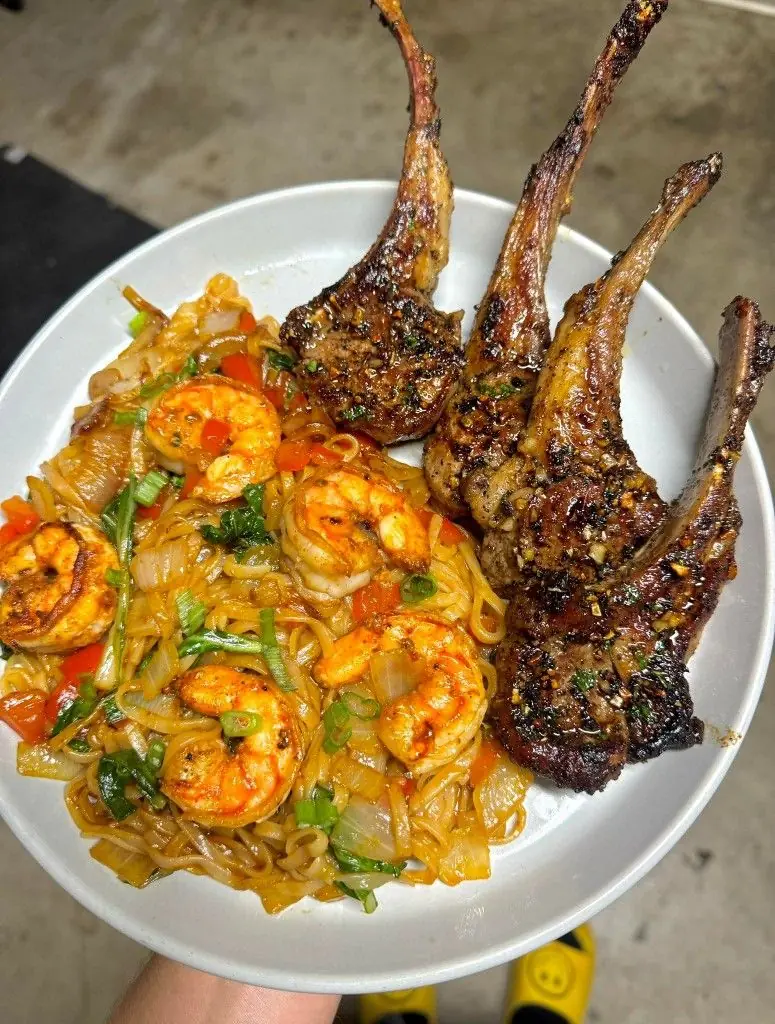
This dish pairs savory shrimp stir-fried noodles with juicy
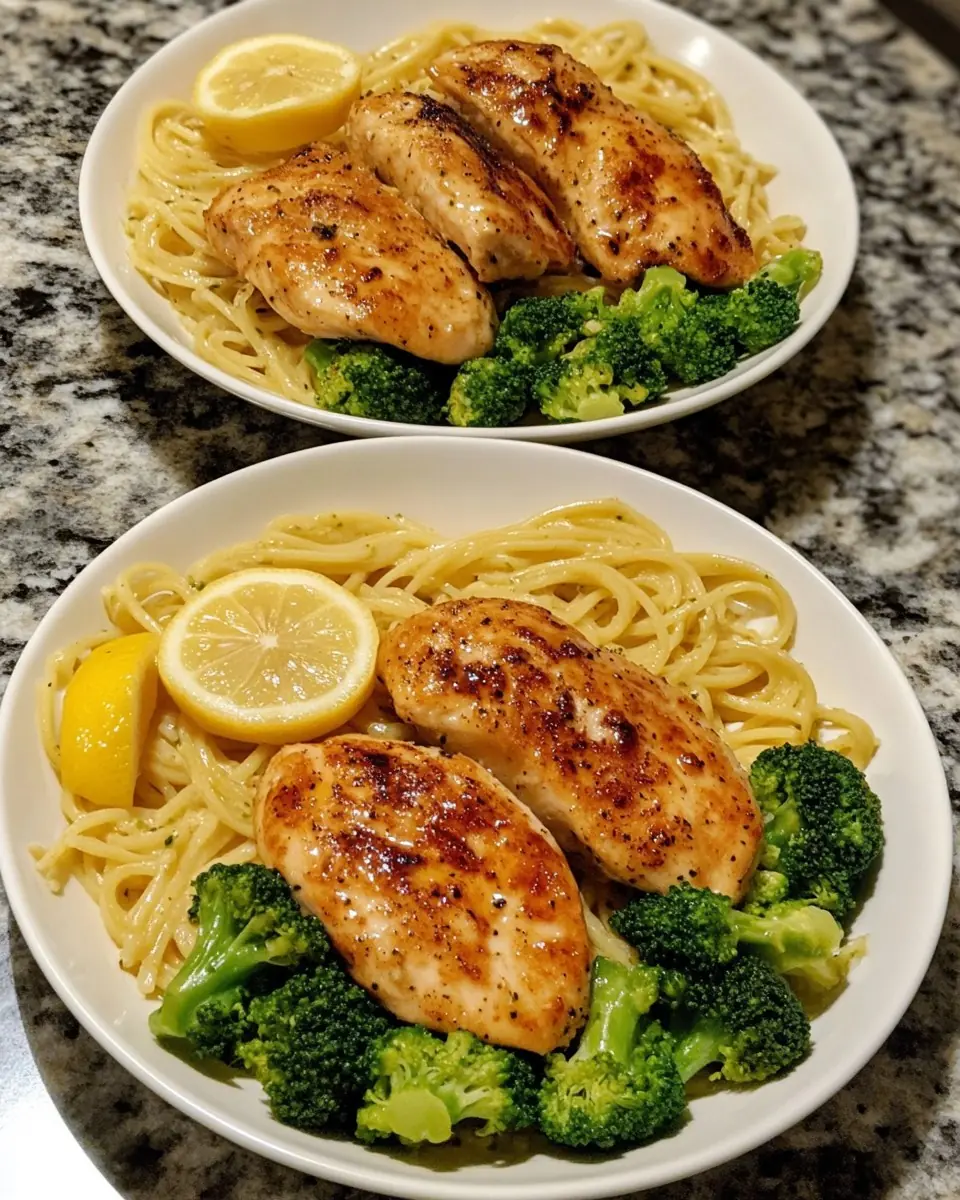


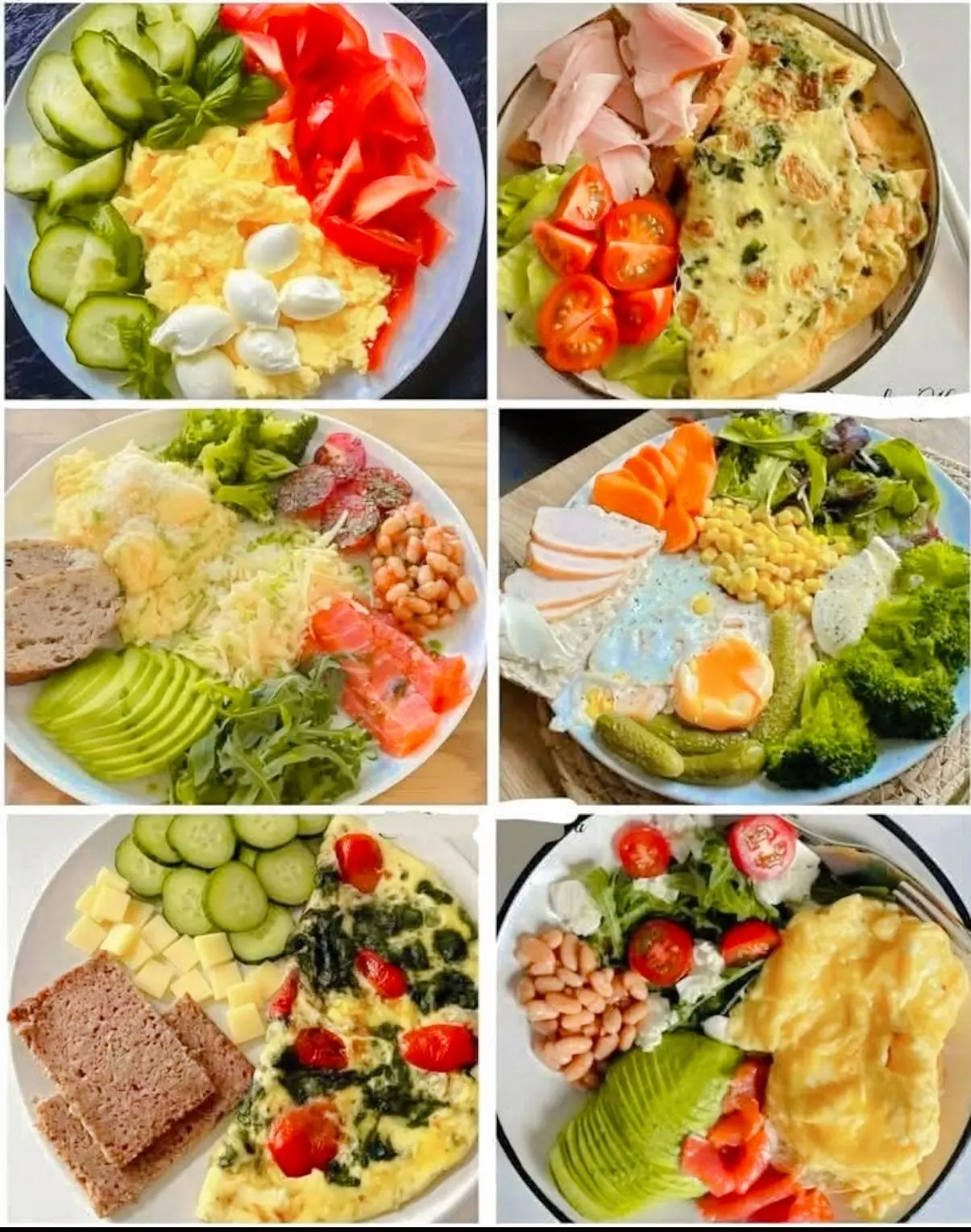




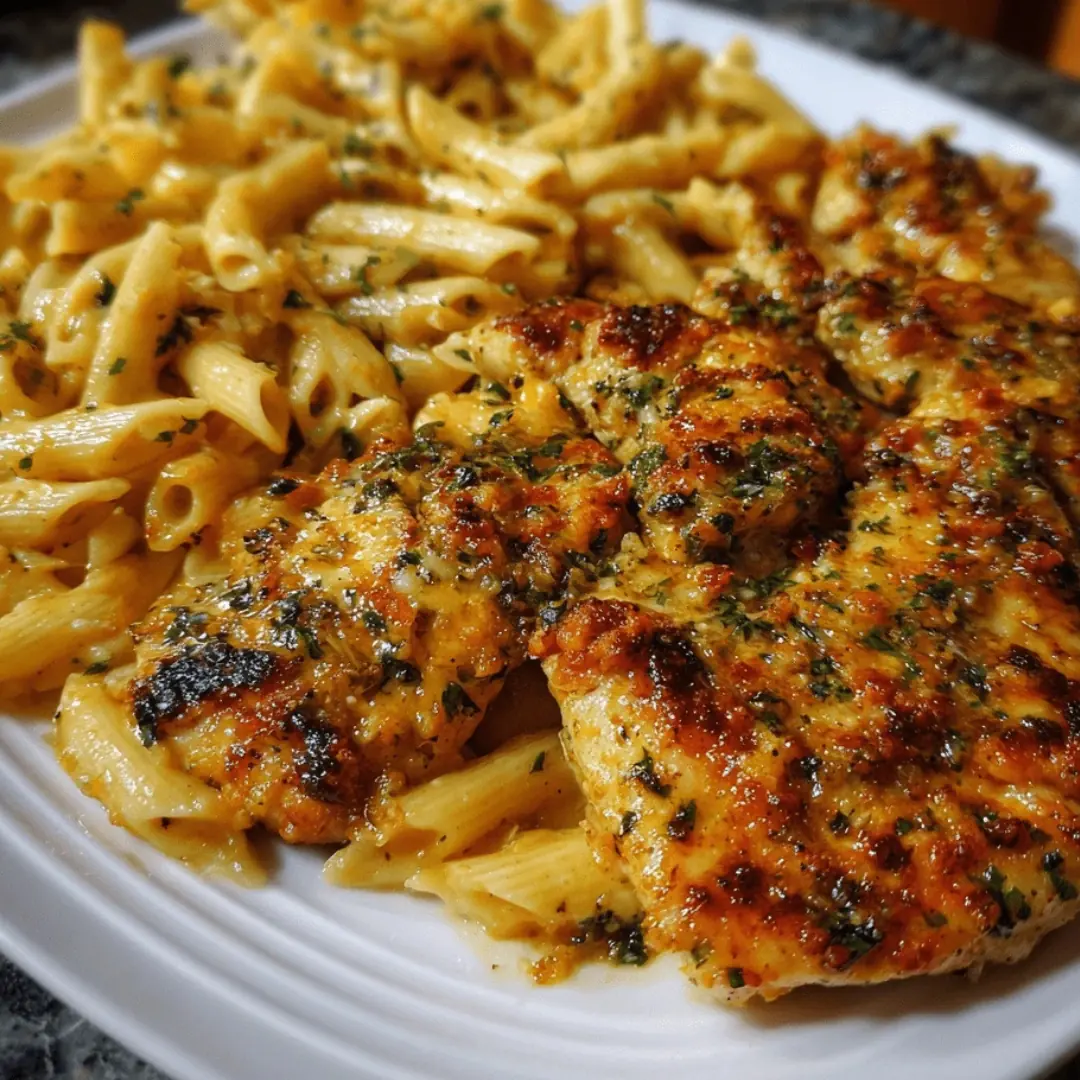
This dish pairs savory shrimp stir-fried noodles with juicy
This dish pairs savory shrimp stir-fried noodles with juicy