Signs Someone Lacks Self-Awareness and What to Do About It
-
They Don’t Take Responsibility for Their Actions A person lacking self-awareness often blames others for their mistakes or misfortunes. They may refuse to acknowledge their part in conflicts or errors.
What to Do:
-
Encourage open dialogue and honesty. Help them reflect on situations by asking questions like, “What could we have done differently?”
-
Be patient, but set boundaries when necessary to avoid enabling this behavior.
-
-
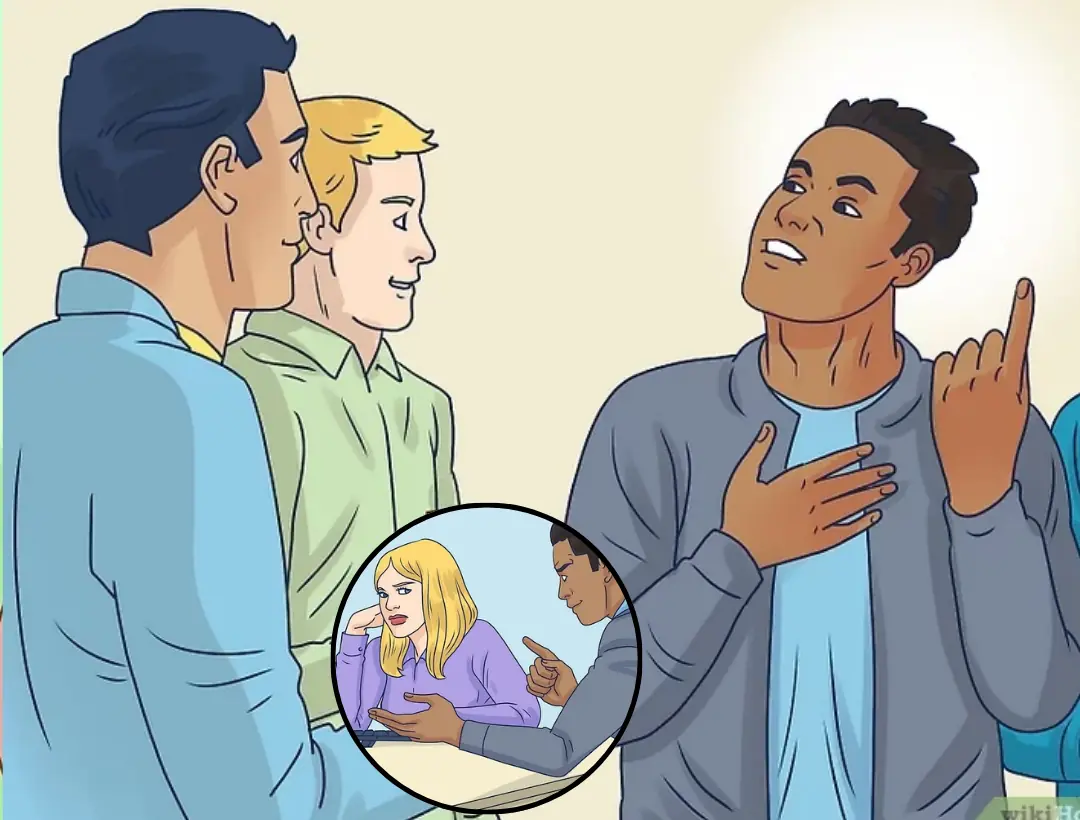
They Overestimate Their Abilities People without self-awareness often overestimate their skills or intelligence. They may boast about achievements or take on tasks beyond their capabilities without recognizing their limitations.
What to Do:
-
Provide constructive feedback in a respectful and clear manner.
-
Offer to collaborate with them on tasks where they may need assistance to help them grow in areas they might be unaware of.
-
-
They Are Oblivious to How They Affect Others Those lacking self-awareness may not realize how their words or actions impact others. They might act inconsiderate or dismissive without realizing it.
What to Do:
-
Share your feelings calmly and express how their behavior affects you. Use "I" statements, like "I feel hurt when you do X" to avoid sounding accusatory.
-
Encourage empathy by pointing out positive examples of how thoughtful behavior can make interactions more pleasant.
-
-
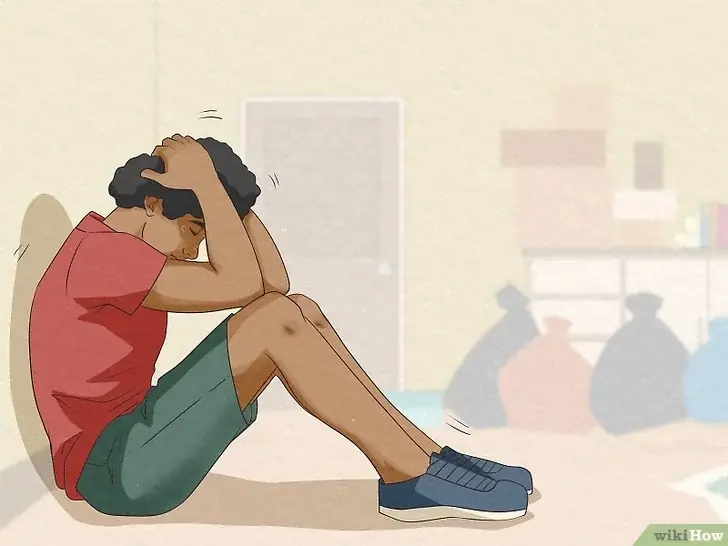
They Have a Lack of Emotional Regulation Individuals with low self-awareness may struggle to manage their emotions. This can manifest in extreme reactions, outbursts, or poor conflict resolution.
What to Do:
-
Help them recognize when their emotions are escalating. Gently suggest taking a break or calming down before continuing a conversation.
-
Encourage them to develop emotional regulation strategies, such as mindfulness or journaling.
-
-
They Don’t Recognize Their Own Faults These individuals might not admit to their weaknesses or personal flaws. They might act as though they are always right, which can be frustrating for others around them.
What to Do:
-
Model self-awareness by acknowledging your own mistakes and being open to feedback.
-
Offer gentle reminders that it’s okay to make mistakes and that self-improvement is a lifelong process.
-
-
They Avoid Reflection or Self-Improvement Someone who lacks self-awareness often avoids introspection or self-growth. They may be resistant to feedback or reject suggestions for improvement.
What to Do:
-
Encourage a growth mindset by sharing your own experiences of self-reflection and how it has benefited you.
-
Introduce them to self-improvement resources like books, podcasts, or workshops.
-
-
They Interrupt Others Frequently A person lacking self-awareness might dominate conversations without considering whether others have had a chance to speak. This can make others feel unheard and frustrated.
What to Do:
-
Politely remind them that everyone should have an equal chance to speak. For example, "Let’s hear what everyone thinks before moving on."
-
Set boundaries around communication and express the importance of mutual respect in conversations.
-
-
They Struggle to Accept Criticism People without self-awareness often react defensively to constructive feedback. They may argue or dismiss criticism instead of reflecting on it.
What to Do:
-
Present criticism in a non-confrontational way and offer solutions to help them improve.
-
Be patient and avoid getting frustrated. Over time, they may become more receptive to feedback if given in a thoughtful and supportive manner.
-
-
They Have a Lack of Boundaries Without self-awareness, individuals may not recognize or respect personal boundaries, whether in relationships, work settings, or social interactions.
What to Do:
-
Clearly communicate your boundaries and ensure that they understand and respect them.
-
Encourage them to establish their own boundaries, as self-awareness includes recognizing the importance of personal space and limits.
-
Conclusion
Self-awareness is a crucial trait that helps people navigate relationships and environments more effectively. If you recognize signs that someone is lacking self-awareness, approach the situation with patience, empathy, and a willingness to provide guidance. By fostering communication, encouraging reflection, and modeling self-awareness, you can help others develop a deeper understanding of themselves and their impact on others.
Let me know if you'd like more advice on handling situations with self-aware individuals or improving your own self-awareness!