
Pulled Mushroom Tacos With Salsa Guille
Howto 05/05/2025 23:48
Reverse psychology refers to getting another person to do or say something by telling them the opposite of what is desired. It’s a common tactic commonly found in advertising and even parenting, and can be a great skill when used carefully and responsibly. We’ll show you how to use reverse psychology, and show you when it’s appropriate versus when it’s manipulative. We’ll also tell you why it works, how to spot it, and how to respond when someone else uses it.
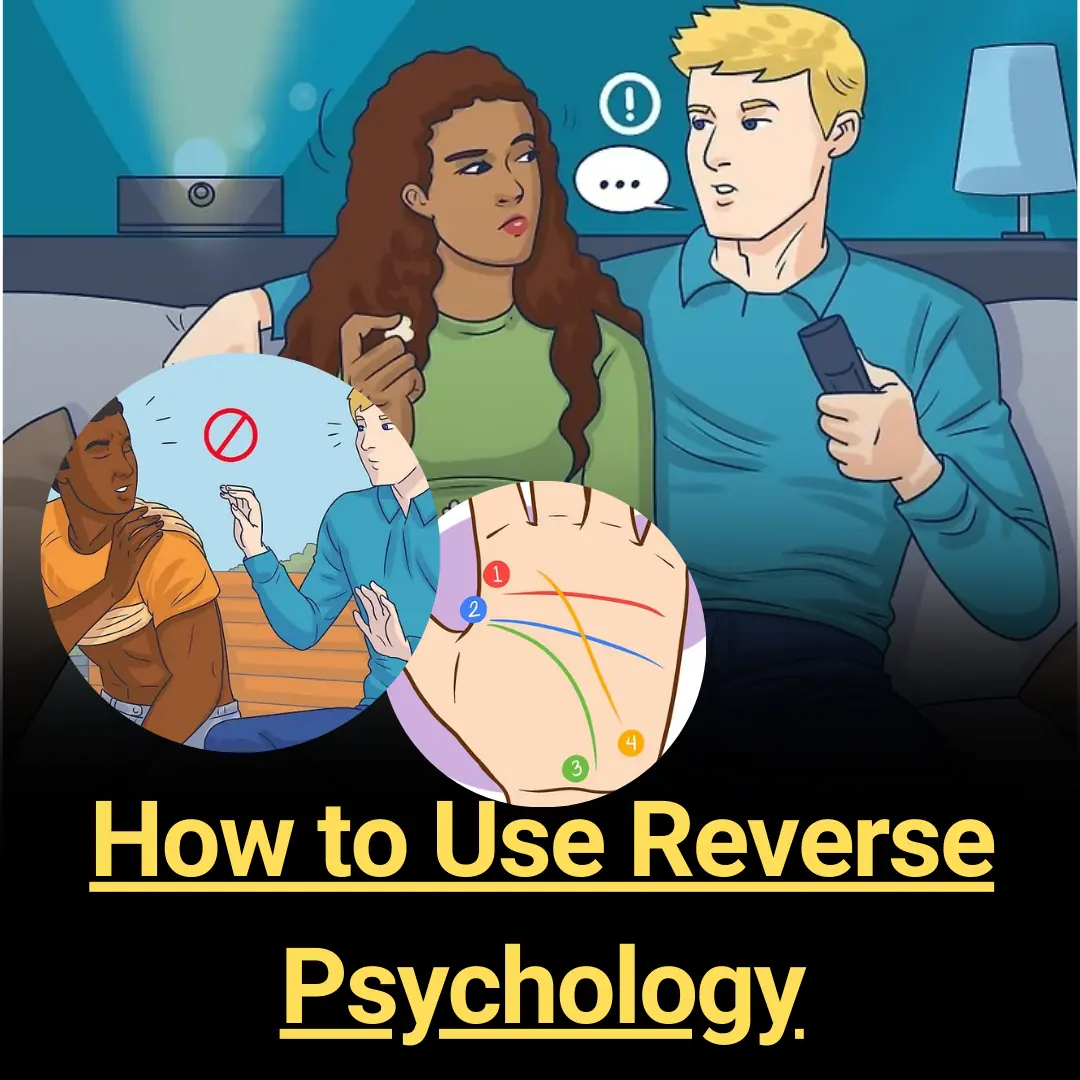
Start by presenting an option that you want.This is probably the thing the person would normally resist and may initially scoff at, like a kid who doesn’t want to eat their asparagus.[1] Make sure the person is aware of the option at hand, without pushing them that direction just yet.
Drop subtle hints that make the option you want more enticing.You might tell them that you’re not convinced yourself, and need help choosing.[2] Then, plant in the person’s head some positive outcomes of what might happen if they choose your option. Again, it’s important not to seem too enthusiastic.
Discourage or argue against the option you want.Once the person is hooked, become slightly argumentative.[3] This makes your friend naturally push for the option you want. One common strategy is to suggest that they’re not ready for it, like, “These games might be a little too hard for you, though…”[4]
Push the person to make a decision.To close the negotiating process, push the person to make a decision. This makes them think they're making their own choice, without your influence. Ask them politely what they want to do, and wait for a response. Hopefully, the person will go for the option you were vying for.[5]












This dish pairs savory shrimp stir-fried noodles with juicy

This dish pairs savory shrimp stir-fried noodles with juicy