Pulled Mushroom Tacos With Salsa Guille
Howto 05/05/2025 23:48
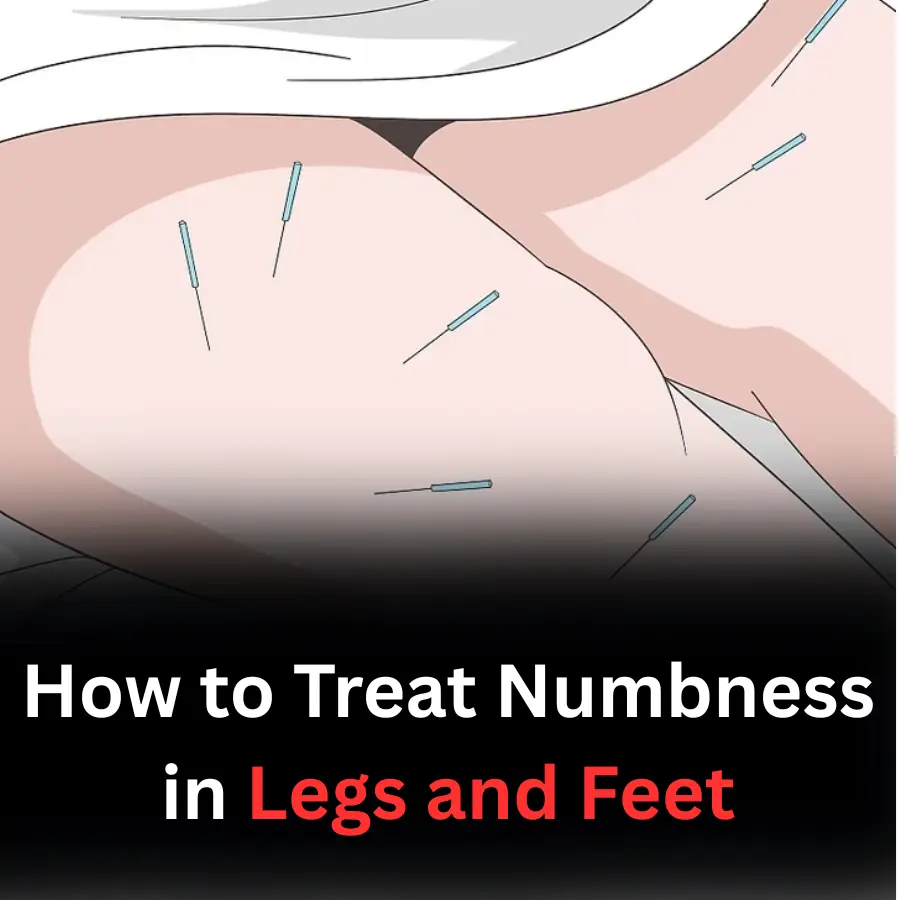
Numbness in the legs and feet can be a temporary or chronic condition and is often caused by issues with nerves, circulation, or underlying medical conditions. Here’s a guide on how to treat numbness in your legs and feet, based on the underlying cause.
If the numbness is temporary and related to factors like poor circulation or pressure on nerves, these self-care tips may help relieve symptoms:
Change Positions: If the numbness is caused by sitting or standing in one position for too long, try shifting your position or standing up and walking around every 30-60 minutes.
Stretch and Exercise: Gentle stretching and light exercise can improve circulation and reduce pressure on the nerves. Activities like walking, cycling, or yoga can help keep your legs and feet healthy.
Warm Compress: Apply a warm compress or heating pad to the affected area. Heat can improve blood flow and help reduce numbness caused by poor circulation.
Massage: Gently massaging the legs or feet can increase blood flow and help relieve pressure on nerves.
If numbness is caused by poor posture or nerve compression (e.g., from sitting with your legs crossed), correcting your posture can help relieve symptoms.
Sit and Stand Correctly: Make sure your posture is good while sitting and standing. Avoid crossing your legs for long periods, as this can put pressure on nerves and blood vessels.
Supportive Footwear: Wearing shoes that provide proper arch support can prevent nerve compression and improve circulation, especially if the numbness is related to issues like peripheral neuropathy.
Numbness in the legs and feet can be a symptom of various medical conditions. If you have persistent or recurrent numbness, it’s important to address the root cause. Some common conditions and their treatments include:
This condition occurs when nerves outside the brain and spinal cord (peripheral nerves) are damaged, often due to diabetes, infections, or other health conditions.
Treatment: Medications like gabapentin, pregabalin, or amitriptyline can be used to manage symptoms. Controlling blood sugar levels in diabetic patients is crucial for managing diabetic neuropathy.
Sciatica occurs when the sciatic nerve, which runs from the lower back to the legs, is irritated or compressed.
Treatment: Physical therapy, stretching exercises, and medications (such as nonsteroidal anti-inflammatory drugs - NSAIDs) can help reduce pain and improve nerve function. In some cases, corticosteroid injections or surgery may be required.
A lack of essential vitamins, particularly B12, B1 (thiamine), and B6, can cause nerve damage leading to numbness.
Treatment: Taking vitamin supplements (especially B12) can help reverse numbness caused by vitamin deficiency. If you suspect a vitamin deficiency, it's best to consult with a doctor for a blood test and personalized treatment.
When the blood vessels in the legs and feet become narrowed or blocked, it can lead to numbness.
Treatment: Improving circulation through regular exercise, managing risk factors like high blood pressure and cholesterol, and sometimes using medications like statins can improve symptoms. In severe cases, surgical interventions might be necessary.
MS is a condition that affects the central nervous system and can cause numbness or tingling in the legs and feet.
Treatment: Medications that modify the course of MS, such as disease-modifying therapies (DMTs), can help manage symptoms. Symptomatic treatment with pain relievers or antispasmodic medications may also be recommended.
If the numbness is persistent, recurrent, or accompanied by other symptoms such as weakness, pain, or difficulty walking, it’s essential to see a healthcare provider for a proper diagnosis and treatment. Medical attention should be sought if:
Numbness persists for more than a few hours or days.
It is associated with pain, weakness, or difficulty moving the affected area.
There are signs of stroke (e.g., sudden numbness, weakness, or paralysis on one side of the body) or spinal cord injury (e.g., numbness along with loss of bladder/bowel control).
Your doctor may perform a physical examination, blood tests, imaging tests (like an MRI or X-ray), or nerve conduction studies to determine the underlying cause.
Stay Active: Regular exercise can improve circulation and reduce the risk of developing conditions that lead to numbness.
Manage Chronic Conditions: Control conditions like diabetes, high blood pressure, and high cholesterol to reduce the risk of nerve damage.
Eat a Balanced Diet: Ensure you’re getting enough vitamins and minerals to support nerve health.
Wear Comfortable Shoes: Avoid tight footwear that can restrict circulation or compress nerves.
Numbness in the legs and feet can be caused by a range of factors, from poor posture to chronic medical conditions. Identifying the underlying cause is key to determining the most effective treatment. If self-care measures don’t alleviate the numbness or if it’s accompanied by severe symptoms, seeking medical advice is important for proper diagnosis and management.