Pulled Mushroom Tacos With Salsa Guille
Howto 05/05/2025 23:48
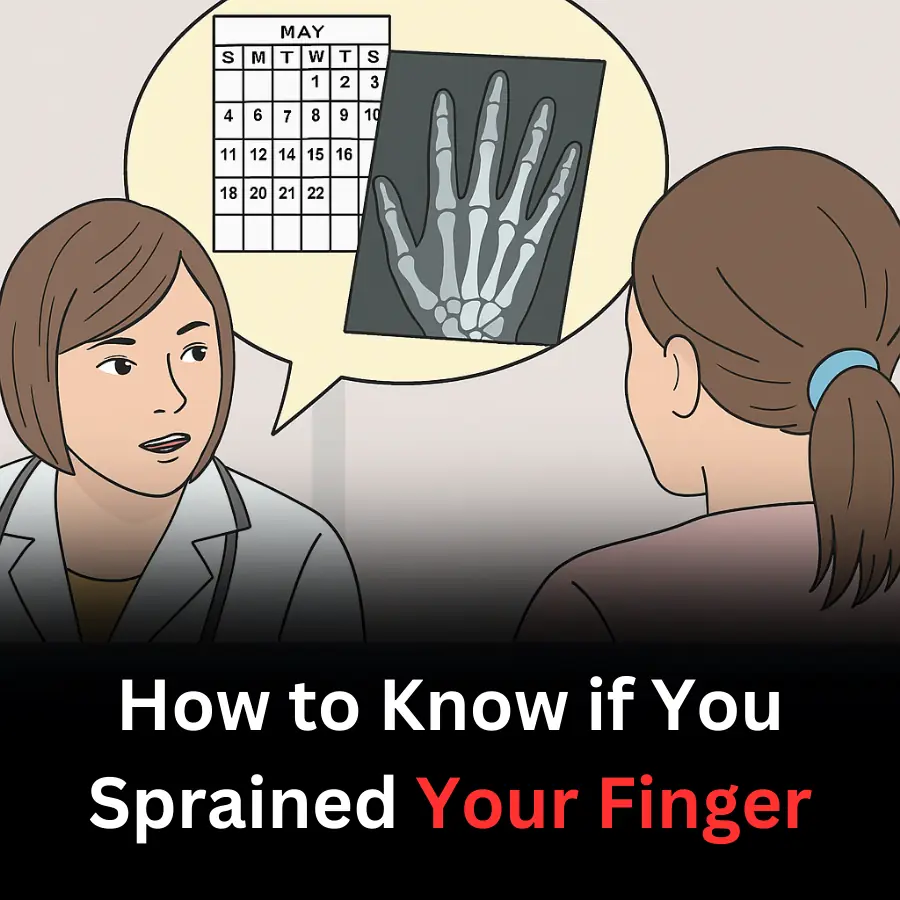
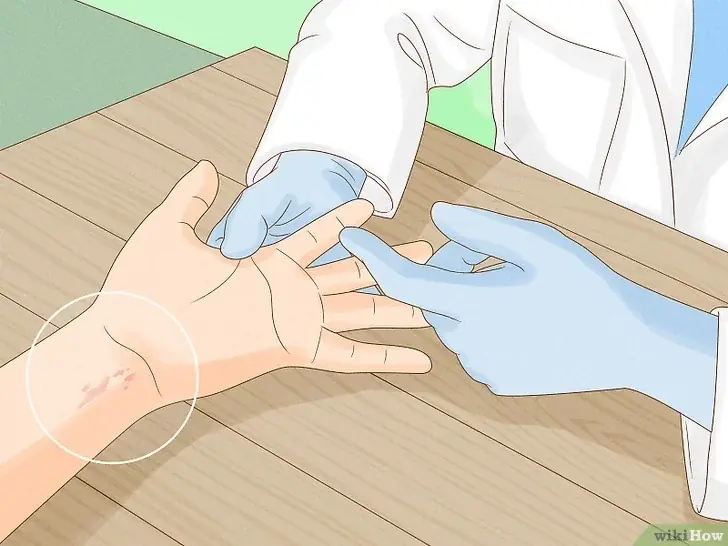
If you suspect you've sprained your finger, here are some common signs and symptoms to help you determine if a sprain has occurred:
The primary symptom of a sprained finger is pain, especially when you move the finger or apply pressure to it. The pain may be sharp or aching and will typically be located in the joint or surrounding tissues.
Swelling is common after a sprain, and the affected finger may look puffy or enlarged. Bruising can also occur due to small blood vessels breaking when the injury happens, giving the skin a bluish or purple color.
You may experience difficulty or pain when trying to bend or straighten the finger. This is especially true if the injury affects the ligaments or joints, which may limit your range of motion.
In some cases, a sprain may cause the finger to appear crooked or out of alignment. This could be a sign of a more severe injury, such as a fracture or dislocation, rather than a simple sprain.
The injured area may feel warm to the touch or show signs of redness, which could indicate inflammation due to the injury.
Rest and Observe: Take a few days off from using the injured finger. If the pain subsides with rest, it may be a sprain.
Ice and Elevation: Apply ice to reduce swelling and elevate the finger to help with fluid drainage.
Consult a Doctor: If symptoms persist or worsen, especially if there's difficulty moving the finger or it appears deformed, seek medical advice. A doctor may perform an X-ray to rule out fractures or other injuries.
R.I.C.E. Method: Rest, Ice, Compression, and Elevation can help alleviate symptoms of a sprained finger.
Pain Relievers: Over-the-counter pain medications, such as ibuprofen or acetaminophen, can help manage pain and reduce inflammation.
Splinting or Taping: Your doctor may suggest immobilizing the finger with a splint or taping it to another finger to keep it stable while it heals.
If you suspect a sprain but are unsure, it's always a good idea to consult with a healthcare provider to receive an accurate diagnosis and proper treatment plan.












This dish pairs savory shrimp stir-fried noodles with juicy

This dish pairs savory shrimp stir-fried noodles with juicy