The Husband Humiliated His Wife in Front of Everyone at the Party — and Three Days Later Regretted His Words
Healthy Food 17/10/2025 22:56
Fatty liver disease, medically referred to as hepatic steatosis, occurs when excess fat accumulates in liver cells. While it’s common and often remains symptomless in early stages, left unchecked it can progress to more serious liver damage. Understanding the causes, spotting the signs early, and implementing lifestyle-based treatments are key to reversing or managing this condition effectively.
Fatty liver can stem from various factors, including:
Obesity, particularly abdominal fat
Metabolic disorders such as type 2 diabetes, high cholesterol, and insulin resistance HealthlineHealthdirect
Excessive alcohol consumption, in alcohol-related fatty liver cases Verywell HealthHealthdirect
Genetic predisposition that increases individual susceptibility thebustednews.com
Other contributors: hypothyroidism, certain medications, or hormonal disorders like PCOS Healthdirect
There are two main types of fatty liver disease:
Metabolic dysfunction-associated steatotic liver disease (MASLD), previously known as non-alcoholic fatty liver disease (NAFLD) WikipediaVerywell Health
Alcohol-related fatty liver disease (ALD), caused primarily by alcohol misuse
Both can lead to inflammation, fibrosis, and eventually cirrhosis or liver failure if untreated.
Early stages of fatty liver often go unnoticed. When symptoms emerge, they may include:
Persistent fatigue or general malaise
Abdominal discomfort, particularly in the upper right area
Unexplained weight loss or difficulty shedding weight HealthdirectThe Times of India
More severe symptoms seen in advanced disease:
Jaundice, namely yellowing of the skin or eyes
Dark urine, pale stools, and bruising
Abdominal swelling, vomiting blood, or intense itchiness Healthdirectthebustednews.com
Women may experience subtle signs like skin darkening around the neck, brain fog, bloating, and hormonal irregularities The Times of India.
The disease is often identified during routine blood tests or imaging. Diagnosis may involve:
Liver function tests to measure enzyme levels
Ultrasound, CT scans, or MRI to assess fat buildup or fibrosis
Elastography to evaluate liver stiffness
Biopsy, when deeper investigation is needed WikipediaHealthdirect
Complications include progression to steatohepatitis (MASH), fibrosis, cirrhosis, liver cancer, and an elevated risk of cardiovascular disease Wikipedia+1.
Losing just 3–5% of body weight can reduce liver fat, while 7–10% loss helps improve inflammation and scarring HealthlineMayo Clinic. More than 10% weight loss can sometimes reverse severe disease entirely Wikipedia.
The Mediterranean diet is highly effective: rich in veggies, whole grains, lean proteins, legumes, healthy fats, and limited sugar and red meat HealthlineUChicago Medicine. Key dietary strategies:
Minimize added sugars, refined carbs, and ultra-processed foods The Times of India+1
Include omega-3s, olive oil, berries, and polyphenol-rich foods (turmeric, pomegranate) The Times of IndiaEatingWell
Limit alcohol and maintain balanced meals The Times of IndiaHealthdirectEatingWell
At least 150 minutes of aerobic activity weekly—like brisk walking—supports liver fat reduction. Combining diet with exercise offers the greatest benefit Verywell HealthWikipedia. Resistance training further helps even without weight loss The Times.
Drinking up to 2–3 cups of black coffee daily may reduce liver enzyme levels and protect against fatty liver progression HealthlineUChicago Medicine.
Insufficient sleep disrupts metabolism and increases liver fat risk. Consistent, quality rest supports insulin sensitivity and aids in liver recovery New York Post.
Some studies show benefit from:
Curcumin, silymarin, berberine, resveratrol in reducing liver enzymes and improving metabolic markers PMC.
However, they're adjuncts—never substitutes for foundational lifestyle changes.
For MASH with significant fibrosis, targeted medications like resmetirom (Rezdiffra™) are now available Mayo ClinicWikipedia. Other supportive treatments include:
Vitamin E (for non-diabetic patients)
Pioglitazone or GLP-1 agonists (in controlled cases)
For severe scarring or failure: bariatric surgery or liver transplant may be considered Hopkins MedicineWikipedia.
| Strategy | Benefit for Fatty Liver |
|---|---|
| Weight Loss (5-10%+) | Reduces liver fat, inflammation, and can reverse severe damage |
| Mediterranean Diet | Lowers fat accumulation, improves metabolic health |
| Regular Exercise | Enhances liver metabolism and reduces fat |
| Black Coffee | Supports liver enzymes and protects against disease progression |
| Quality Sleep | Helps manage insulin resistance and metabolic balance |
| Supplements (e.g., curcumin) | May offer added support when combined with lifestyle improvements |
| Medications & Surgery | Options when advanced disease does not respond to lifestyle changes |
Fatty liver disease is common and often hidden—earning the nickname "silent epidemic." But the good news is it is highly reversible with consistent lifestyle changes. By embracing a balanced diet, regular physical activity, sufficient rest, and smart medical support when needed, you can protect your liver and overall health.
Early intervention remains the most powerful step toward prevention and recovery.




This dish pairs savory shrimp stir-fried noodles with juicy
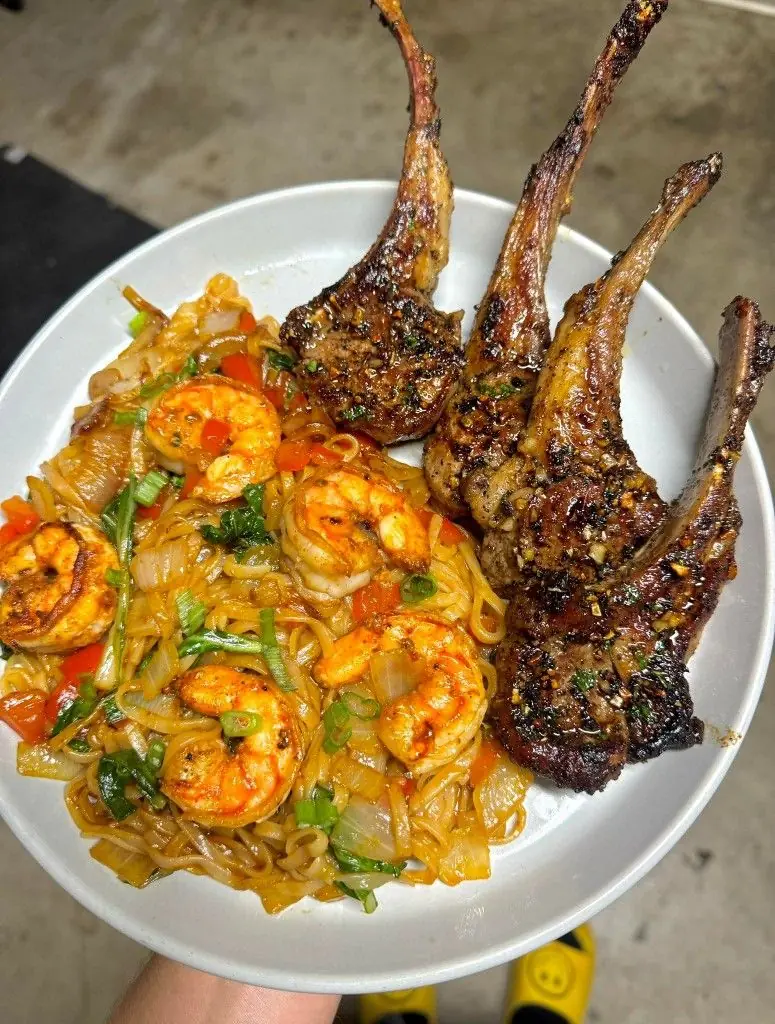
This dish pairs savory shrimp stir-fried noodles with juicy