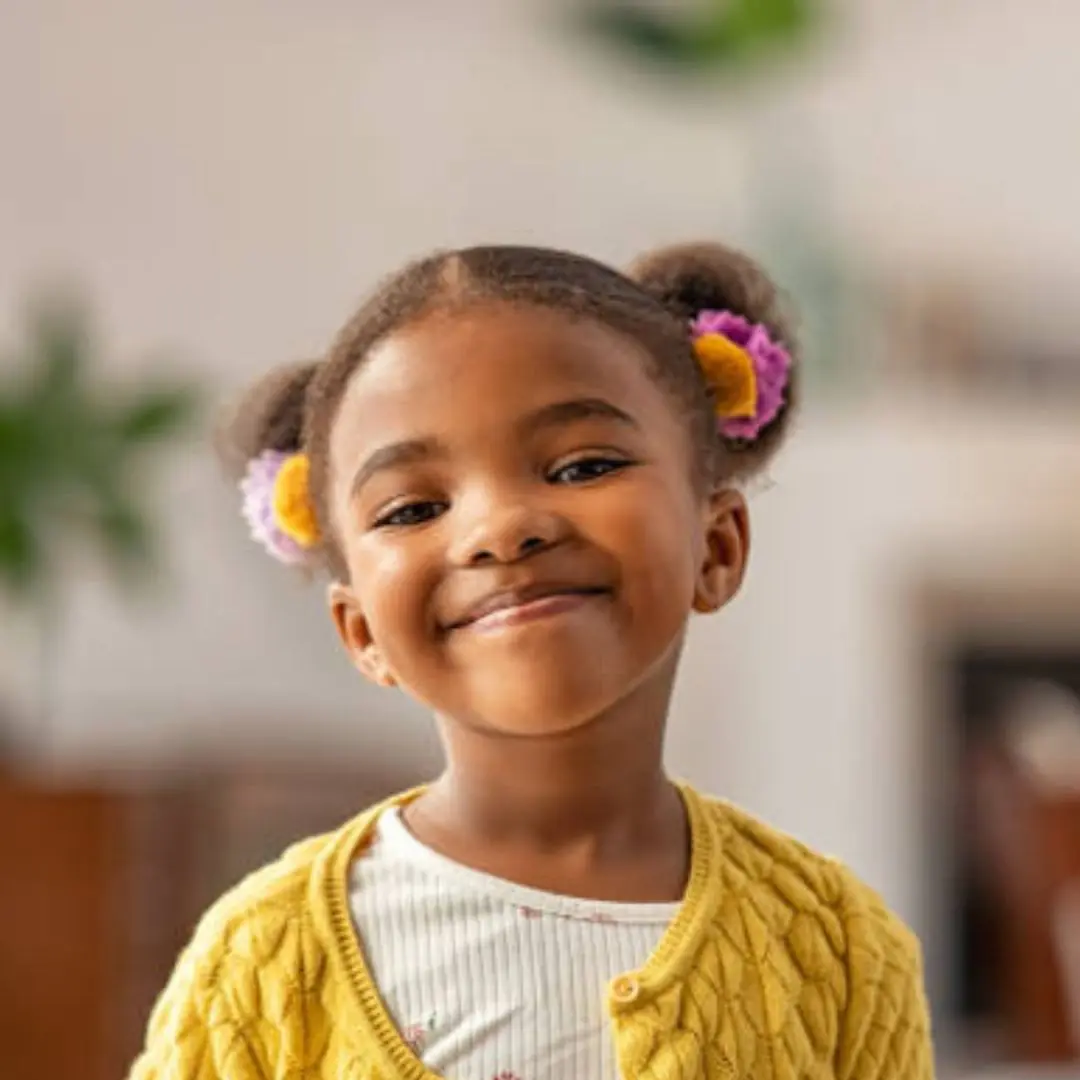
Nine-year-old Mara Ellison had a secret.
Every morning before the sun fully rose over the faded rooftops of the foster home, she would slip outside with a chipped glass jar and hold it up to the sky as if she could catch the light before it disappeared into other people’s windows.
The other kids called it weird. The caretakers called it harmless. Mara called it saving brightness for later.
She had been in the system for almost three years—four houses, six caseworkers, and one faded backpack that had traveled more than most suitcases. Nobody kept her long. Not because she was bad, but because she was quiet in the way people mistook for brokenness.
The truth was simpler: she had learned early that words didn’t stop you from being left behind.
Her earliest memory was of her mother, Claire, braiding her hair while singing quietly to the window. Mara remembered the melody like breath in winter—sharp and soft at the same time. She remembered the sunlight on her mother’s hands, the smell of flour and cotton and warmth.
And she remembered the ambulance lights when it all stopped.
Since then, she collected sunlight the way other children collected stickers or shells. She would hold the jar toward the sky, then screw the lid tightly, even if nothing was inside but a faint shimmer of air. Sometimes, at night, she would unscrew the lid just a little and whisper: Here. Have some light, Mom.
No one knew that part.
The foster home she lived in now—Willow Creek House—wasn’t the worst. It wasn’t the best either. The walls were yellowed with old paint, the dinners were loud, and the adults were tired in the way that made them miss small sadnesses.
One afternoon, Mara sat on the back steps with her jar, watching the sun slide down the clouds like honey. That was when Joey, a boy with scabbed elbows and a laugh too big for his body, plopped down beside her.
“You can’t keep sunlight,” he said with the certainty of someone who had never tried.
Mara didn’t look at him. “Who says?”
“It goes away,” he insisted, waving his arms at the sky. “That’s just air in there.”
“Maybe air remembers,” she whispered.
Joey squinted at her. “You’re weird.”
“I know.”
He hesitated, then grinned. “Wanna race to the fence?”
She shook her head.
Instead of leaving, Joey surprised her—he sat down closer and leaned his back against the same step. They watched the sky together until the bell for dinner rang.
He never told anyone about the jar.
A week later, a woman came to the foster home. Not the usual kind with clipboards and coffee breath. This woman wore a dark coat with wooden buttons and had hair the color of late autumn. Her name was Evelyn Hart, and she spoke gently, like someone afraid to scare away birds.
The kids were called in one by one for “visit checks.” Some came out shrugging. Some came out with disappointed eyes.
When it was Mara’s turn, she expected the usual questions:
How are you adjusting? Do you feel safe? Are the other children treating you well?
But Evelyn asked something different.
“What do you keep in that jar you carry?”
Mara froze. Her fingers tightened around the glass. “Nothing.”
Evelyn smiled faintly. “Nothing important is still something.”
Mara didn’t answer. She kept her eyes on the floor.
After a pause, Evelyn said, “I used to catch fireflies in jars when I was little. My sister said I was trying to steal stars.”
Mara’s eyes flickered, but only for a moment.
Evelyn didn’t push. She just said, “If you ever want a bigger jar, you can tell me.”
That night, Mara lay awake wondering why a stranger cared about a thing everyone else laughed at.
She didn’t know then that Evelyn had once lost a child of her own—or that the jar in Mara’s hands had reminded her of something she thought she’d forgotten how to feel.
Days passed, and Mara went on catching light in her jar, though now she sometimes glanced toward the road, half-expecting to see Evelyn’s coat again.
One frosted morning, the kids were herded into the common room for “winter donations.” Boxes of secondhand clothes and worn-out books were dumped onto the tables. While everyone else scrambled to find coats that almost fit, Mara found something entirely different.
At the bottom of a cardboard box, wrapped in old newspaper, was a cracked music box. The paint had chipped off, and the winding key was bent, but when she held it, something in her chest jumped.
She lifted the lid.
At first, nothing happened. Then, with a hesitant click, the box released a series of broken notes—soft, fragile, but unmistakably familiar.
It was her mother’s tune.
She clutched it so tight her hands trembled.
A counselor spotted her. “Take something useful, Mara. Gloves, boots—leave the trash.”
Trash.
She backed away, the box pressed to her stomach. She didn’t speak—she couldn’t—but she looked at the woman with eyes that could have cracked stone.
Before the counselor could grab it, Joey stepped forward.
“She picked it first,” he said firmly. “You said first come, first serve.”
The woman frowned. “That thing doesn’t work.”
“It works for her,” Joey shot back.
Mara didn’t understand why he did it. No one had stood up for her like that before. Not once.
That night, under her blanket, she opened the box again. The half-song poured out gently, like wind whistling through old trees. She held the jar in her other hand and whispered, “I still remember, Mom. I still have your light.”
Two weeks later, Evelyn returned.
This time, she didn’t call Mara into the office. She asked her to take a walk outside.
Snow lined the fence and turned the yard into a quiet map of footprints. Mara brought her jar without being asked.
They stood near the back hill, where the sky felt closer.
Evelyn finally said, “I spoke with your caseworker. You’ve been in the system longer than most children your age.”
Mara said nothing.
“I know about your mother,” Evelyn continued softly. “And how you stayed in the apartment two days before anyone found you.”
Mara’s heart lurched painfully, but the woman didn’t say it like a report. She said it like a memory she wished she could rewrite.
After a long pause, Evelyn knelt down so their faces were level. “I’m applying to foster again. I didn’t think I would after…” Her voice caught, then steadied. “But then I saw you holding light like it belonged to someone you missed.”
Mara stared at her.
Evelyn reached into her coat and pulled out a larger glass jar, the kind with a metal clasp and lid. She held it out without explanation.
“I don’t know if you’ll want to come with me,” she said quietly. “But I thought—if you do—you’ll need more room for the sunlight.”
The world went very still.
Mara didn’t speak for a full minute. Then, slowly, she opened her old jar, held it to the sky, and poured the air into the bigger one as though transferring something precious.
Evelyn didn’t smile. She didn’t cry. She just waited.
And for the first time in three years, Mara reached out and took someone’s hand without being asked.
She moved in with Evelyn two weeks later.
The house was small, pale blue, and filled with window warmth. There was a spare room with a sunflower quilt and a music box on the shelf. The same one. Restored. Painted. Whole.
“How?” Mara asked in a whisper.
Evelyn smiled softly. “My late husband was a carpenter. I still know how to fix things.”
Not everything broken stays broken—that was the first thing Mara learned there.
Spring came early that year.
One morning, while Evelyn planted herbs by the porch, Mara sat on the steps with Joey—now in weekend visitation because Evelyn had petitioned to foster him too.
They passed the big jar back and forth, capturing bits of sunrise like thieves of light.
Joey asked her, “You gonna stop doing that now that you’re not in the home?”
Mara shook her head. “Light isn’t just for keeping. It’s for sharing, too.”
He snorted. “You sound like an old lady.”
She handed him the jar. “You sound like someone who needs extra sunlight.”
He rolled his eyes, but didn’t give it back.
Inside the house, the music box began to play—the full song, bright and unbroken.
Evelyn opened the window to let it drift outside.
Mara closed her eyes, the warmth of the sun on her face, and for the first time in a very long time, she didn’t collect the light because she was afraid of losing it.
She collected it because now—finally—she had somewhere safe to put it.
And someone to open the jar with.