Moroccan Chicken Tagine: A Rich, Aromatic Journey Through Flavor
When it comes to North African cuisine, few dishes are as iconic and soul-satisfying as Moroccan Chicken Tagine. Fragrant, colorful, and deeply spiced, this dish is much more than just chicken in a pot—it’s a culinary celebration of Morocco’s rich heritage, diverse ingredients, and love for bold flavors.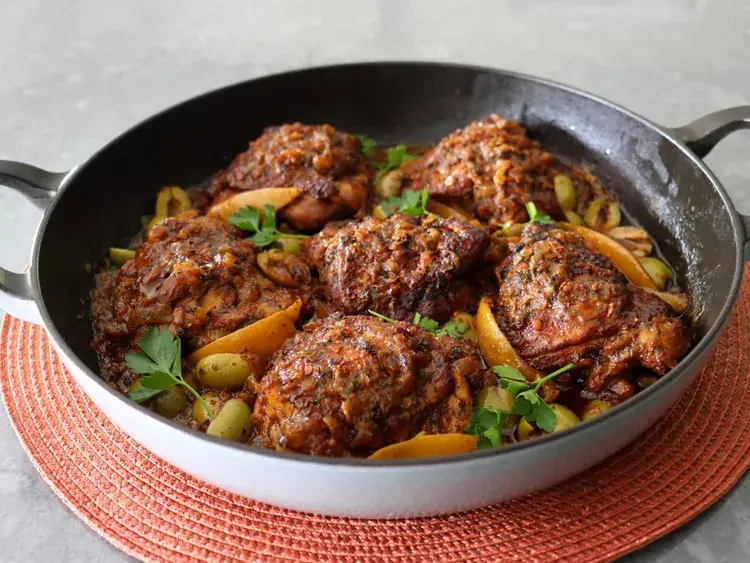
Named after the traditional clay pot it’s cooked in, chicken tagine is a slow-cooked stew made with bone-in chicken, aromatic spices, preserved lemons, olives, and often vegetables or dried fruits. It’s a one-pan wonder that brings comfort, complexity, and warmth in every bite.
In this article, we’ll dive into the origins, ingredients, preparation method, and tips for making the perfect Moroccan Chicken Tagine at home.
What Is a Tagine?
The term tagine refers to both the cooking vessel and the dish itself. The traditional tagine pot has a wide, shallow base and a conical lid that traps steam and recirculates moisture during slow cooking. This results in tender meat, concentrated flavors, and a rich sauce with minimal added liquid.
While tagines are still used in Moroccan homes, you can achieve great results with a heavy-bottomed pot or Dutch oven on the stovetop or in the oven.
The Essence of Moroccan Chicken Tagine
Moroccan Chicken Tagine is all about layers of flavor. It starts with chicken, typically thighs or legs with the bone in for added richness. The meat is marinated or rubbed with a spice blend known as ras el hanout—a North African mix of up to 30 spices like cumin, ginger, cinnamon, turmeric, paprika, coriander, and black pepper.
From there, ingredients like onions, garlic, preserved lemons, green olives, and fresh herbs are added. The tagine is slowly simmered, allowing the spices to infuse the chicken and sauce with aromatic depth.
Common Ingredients
While recipes can vary, a classic Moroccan Chicken Tagine includes:
-
Chicken thighs or legs (bone-in, skin-on or skinless)
-
Onions, thinly sliced
-
Garlic, minced or crushed
-
Olive oil
-
Preserved lemons, cut into wedges or thin slices
-
Green olives, preferably brined or cracked olives
-
Fresh cilantro and parsley, chopped
-
Spices: cumin, turmeric, ginger, cinnamon, paprika, coriander, black pepper, saffron (optional)
-
Chicken broth or water, for a flavorful braising liquid
Optional ingredients include potatoes, carrots, chickpeas, or dried fruits like apricots or raisins, depending on regional preferences.
How to Make Moroccan Chicken Tagine
Step 1: Prepare the Chicken
Start by seasoning your chicken with a mix of spices. You can marinate it for 1–2 hours in olive oil, garlic, ginger, turmeric, paprika, salt, and pepper—or just season and cook directly if you're short on time.
Step 2: Sauté the Aromatics
In a large pan or tagine, heat olive oil and sauté onions until soft and golden. Add garlic and cook briefly until fragrant.
Step 3: Brown the Chicken
Add the chicken pieces to the pan and brown them lightly on both sides to develop flavor. This step enhances the overall richness of the dish.
Step 4: Add the Rest
Add preserved lemon slices, olives, chopped herbs, and a splash of broth or water. Reduce heat to low, cover, and simmer for about 45 minutes to 1 hour. The chicken should be tender and infused with the sauce. Add a bit more liquid if necessary to prevent sticking.
Step 5: Garnish and Serve
Sprinkle with fresh herbs before serving. Moroccan Chicken Tagine is traditionally enjoyed with warm bread (like khobz) or over fluffy couscous.
Tips for the Best Chicken Tagine
-
Use preserved lemons: These give the dish its unique tangy-salty flavor. You can find them in Middle Eastern or specialty stores, or make them at home.
-
Don’t rush the cooking: Low and slow cooking is key to getting the full depth of flavor and fall-off-the-bone texture.
-
Adjust seasoning to taste: Moroccan food is boldly seasoned, but you can tweak the spice levels to suit your palate.
-
Tagine or Dutch oven?: If you don’t own a tagine pot, a Dutch oven or heavy skillet with a lid will still produce great results.
-
Let it rest: Like many stews, the flavors deepen if allowed to sit for a few hours or overnight.
Flavor Variations

Moroccan cuisine is diverse, and chicken tagine has many regional variations:
-
Chicken with apricots and almonds: A sweet and savory version with dried fruit and toasted nuts.
-
Spicy Harissa Chicken Tagine: Adds North African chili paste for a fiery kick.
-
Chicken with root vegetables: Potatoes, carrots, and turnips make it heartier and stretch the meal further.
-
Lemon-garlic tagine: A brighter, zesty version using fresh lemon juice and zest instead of preserved lemons.
Each variation highlights a different facet of Moroccan culinary heritage and adapts well to different tastes.
Nutritional Benefits
Moroccan Chicken Tagine isn’t just tasty—it’s also nourishing. Chicken provides lean protein, while the olive oil and spices contribute heart-healthy fats and antioxidants. Garlic, turmeric, and ginger have anti-inflammatory properties, and fresh herbs offer vitamins and minerals.
When served with whole grains like couscous or brown rice and plenty of vegetables, it makes a balanced, wholesome meal.
Cultural Significance
Tagine is more than just food in Moroccan culture—it’s a way of gathering, sharing, and storytelling. Meals are often enjoyed communally, with family and guests scooping up tender morsels using bread, not utensils. The process of preparing a tagine is slow and intentional, rooted in tradition and hospitality.
Tagines are served during special occasions, family gatherings, and even casual everyday meals, reflecting the Moroccan value of taking time to enjoy and honor food.
Final Thoughts
Moroccan Chicken Tagine is a dish that tells a story—of spice caravans, cultural fusion, and culinary patience. It’s both comforting and exotic, simple in ingredients but complex in flavor. Whether you’re cooking it for the first time or have loved it for years, this dish is a reminder of how slow cooking and good ingredients can create something truly special.
If you’re looking to bring a taste of Morocco into your kitchen, this chicken tagine is a perfect place to start. Serve it with warm bread, a glass of mint tea, and the people you love—and let the aromas transport you to the heart of North Africa.