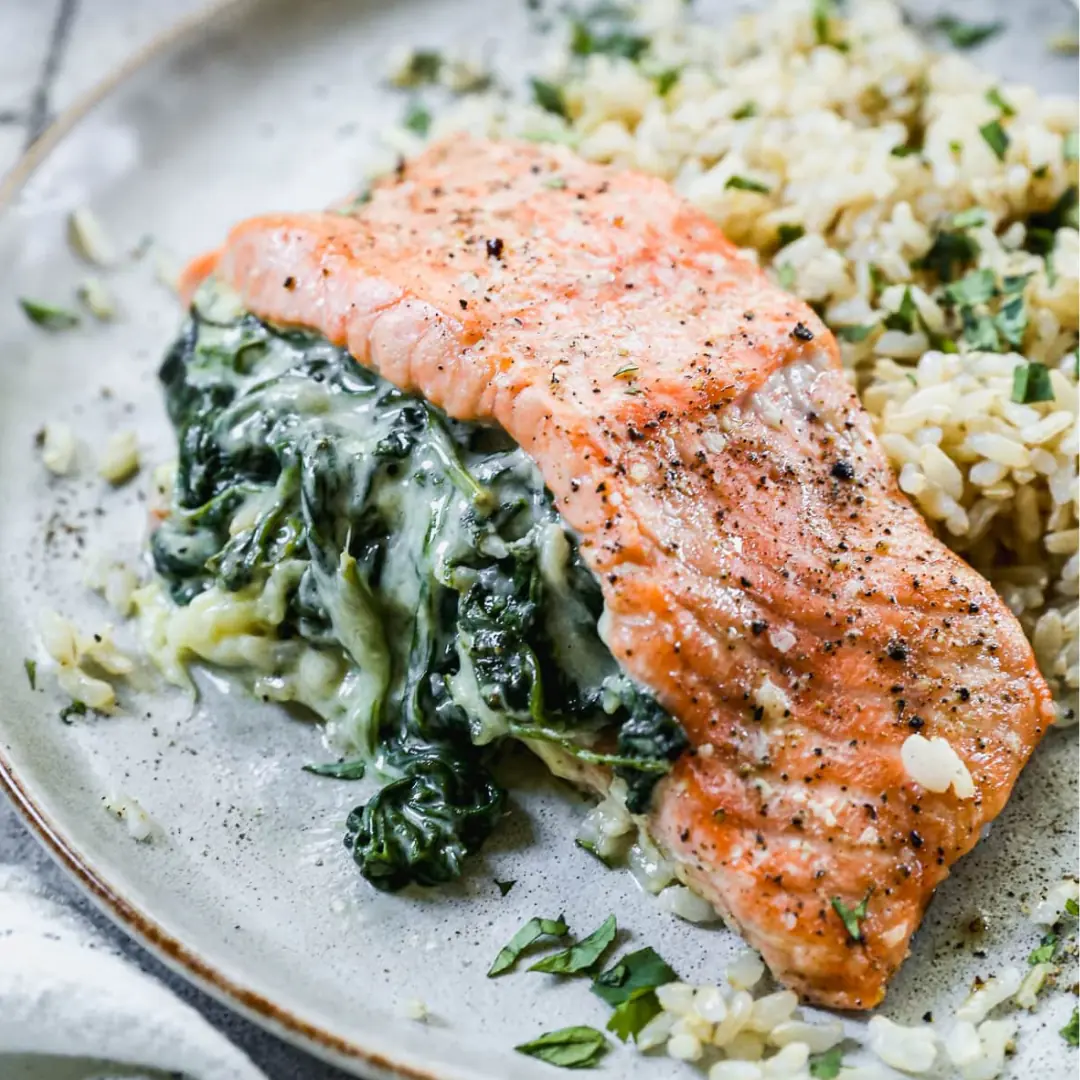
Pulled Mushroom Tacos With Salsa Guille
Howto 05/05/2025 23:48

Lipomas are benign (non-cancerous) fatty lumps that form under the skin. They are usually soft, painless, and movable. While medical treatment like surgery or liposuction is often required to remove large or bothersome lipomas, some people seek natural remedies to either shrink the lipoma or reduce its appearance. Below are some natural treatments that people commonly try for lipomas, but it's important to note that effectiveness may vary and it's always best to consult with a healthcare provider before attempting any treatment.
Apple cider vinegar (ACV) is often cited as a natural remedy for various skin conditions, including lipomas.
How to use: Soak a cotton ball in apple cider vinegar and apply it to the lipoma. Secure the cotton ball with a bandage and leave it on for a few hours or overnight. Repeat this process daily for a few weeks.
Why it may help: ACV is believed to help reduce the size of lipomas due to its detoxifying properties, though there is no scientific evidence to fully support this.
Turmeric contains curcumin, a compound with anti-inflammatory and antioxidant properties. It is often recommended for reducing inflammation and potentially shrinking lipomas.
How to use: Mix turmeric powder with water or coconut oil to make a paste. Apply this paste to the lipoma and leave it on for about 30 minutes before washing it off. Alternatively, turmeric supplements can be taken, but be sure to consult with a healthcare provider for the appropriate dosage.
Why it may help: Curcumin may help by reducing inflammation and breaking down fat cells, though more research is needed.
Flaxseed oil is rich in omega-3 fatty acids and has anti-inflammatory properties that could potentially reduce lipomas.
How to use: Apply flaxseed oil directly to the lipoma and massage it in for a few minutes. You can also consume 1-2 tablespoons of flaxseed oil daily, either on its own or mixed into smoothies or salad dressings.
Why it may help: The omega-3 fatty acids in flaxseed oil are believed to help regulate fat cell growth, which might assist in reducing lipomas over time.
Aloe vera is widely known for its skin-soothing properties and can be applied to lipomas to reduce irritation and inflammation.
How to use: Apply fresh aloe vera gel directly to the lipoma, massaging it in gently. Leave it on for about 30 minutes before rinsing it off. This can be repeated twice a day.
Why it may help: Aloe vera contains anti-inflammatory compounds that might help reduce the swelling and size of lipomas.
Ginger has anti-inflammatory and antioxidant properties that are often cited as beneficial for various skin issues, including lipomas.
How to use: You can consume ginger tea or ginger supplements, or apply a paste of fresh ginger mixed with water to the lipoma. Leave it on for 30 minutes and wash off.
Why it may help: Ginger may help reduce inflammation and promote the breakdown of fatty deposits, although clinical evidence is limited.
Vitamin E oil is known for its ability to heal and nourish the skin. It may help to soften lipomas or improve the appearance of the skin.
How to use: Apply vitamin E oil directly to the lipoma and massage it in for a few minutes. Use it twice daily for best results.
Why it may help: Vitamin E may promote skin healing and may reduce the size of lipomas over time, though results can vary.
Castor oil has been used for many years as a remedy for various skin conditions, including lipomas. It’s thought to help break down the fatty tissue under the skin.
How to use: Apply castor oil directly to the lipoma and massage gently for a few minutes. Cover the area with a bandage and leave it overnight. Repeat this process for several weeks.
Why it may help: Castor oil contains ricinoleic acid, which may help in reducing fat deposits and promoting the breakdown of fatty tissue.
In some cases, lipomas can form or grow due to poor diet and lifestyle habits. To prevent new lipomas or slow the growth of existing ones, consider making these changes:
Healthy diet: Avoid foods high in unhealthy fats, refined sugars, and processed foods. Focus on whole foods, lean proteins, healthy fats, fruits, and vegetables.
Exercise: Regular physical activity can help regulate body fat and improve overall metabolism, potentially preventing the formation of lipomas.
Lemon juice is rich in antioxidants and vitamin C, which may help in detoxifying the body and promoting the breakdown of fat cells.
How to use: Drink lemon water daily or apply fresh lemon juice to the lipoma and leave it on for 15-20 minutes before rinsing.
Why it may help: The detoxifying properties of lemon juice may assist in breaking down the fat in lipomas, though results may take time.
Certain essential oils are thought to have properties that may help reduce lipomas by promoting the breakdown of fat. Frankincense oil and lavender oil are commonly used for this purpose.
How to use: Mix a few drops of essential oil with a carrier oil (such as coconut oil) and apply it to the lipoma. Massage it in gently and leave it on for at least 30 minutes.
Why it may help: Some studies suggest that frankincense oil has anti-inflammatory and anticancer properties that may help reduce the size of lipomas.
Consult a Doctor: If the lipoma is large, painful, or growing rapidly, it is important to seek medical advice. Surgical removal may be required if the lipoma is causing discomfort or concern.
Not All Natural Remedies Work: While many of the remedies mentioned may provide relief or help shrink small lipomas, there is no guaranteed natural cure. Some remedies may only reduce the appearance of lipomas rather than eliminate them entirely.
Avoid Attempting Removal at Home: It's important not to attempt to squeeze or cut open the lipoma yourself, as this can lead to infections or further complications.
If you're looking for the most effective treatment, especially for larger or bothersome lipomas, it's best to consult with a healthcare provider to explore medical options like surgery or liposuction.














This dish pairs savory shrimp stir-fried noodles with juicy

This dish pairs savory shrimp stir-fried noodles with juicy