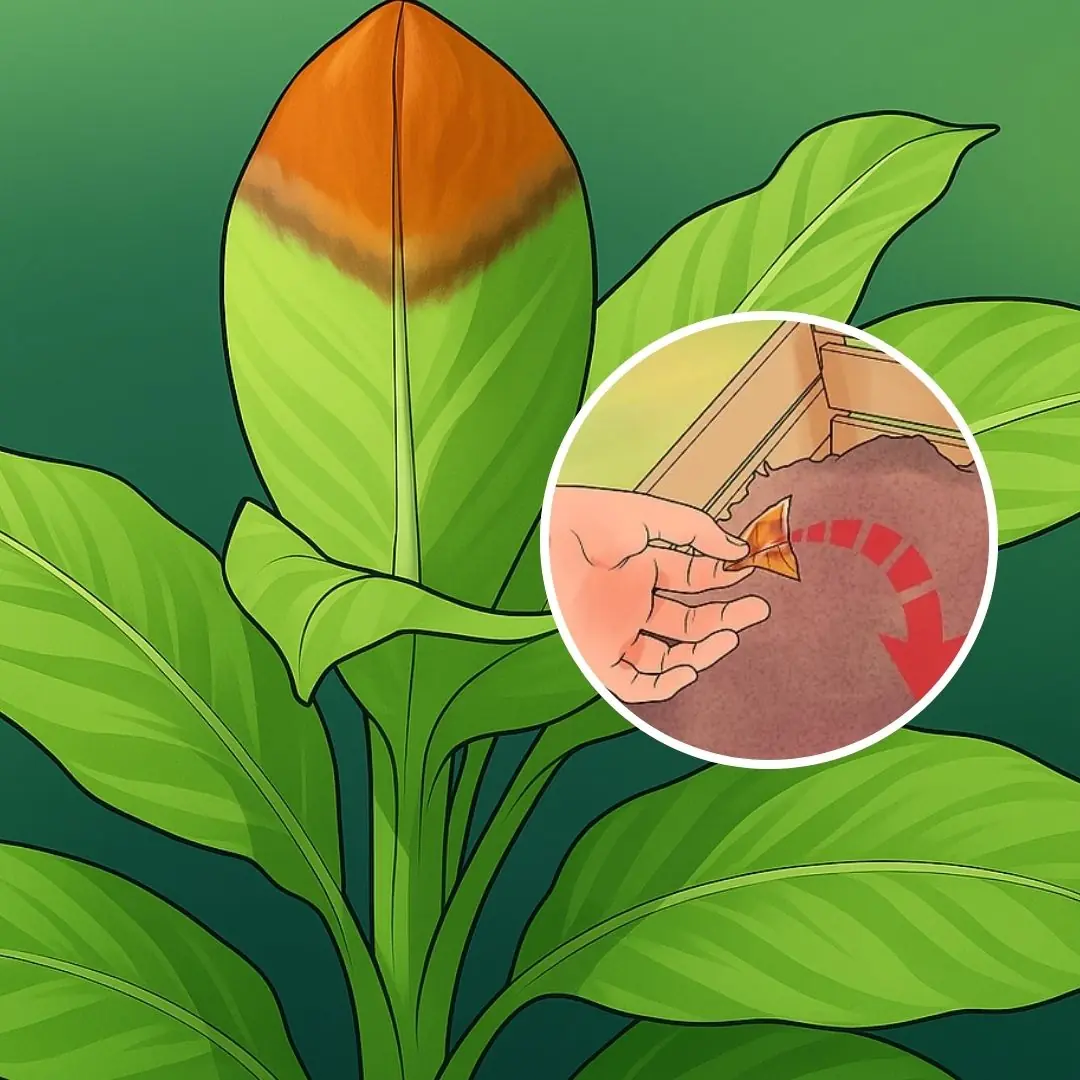
Indoor plants are bred for their ability to thrive in a wide variety of conditions, and unlike outdoor plants they do not have to contend with hordes of insects or severe weather. However, even healthy indoor plants can develop unsightly brown spots or, in particular, brown leaf tips. Snipping brown tips with scissors can provide cosmetic improvements for your plant, but you should also identify and deal with the underlying cause of the brown tips.
Removing Brown Tips While Preserving Leaf Shape
Use sharp scissors or kitchen shears to trim leaves. For the best results, you should use as sharp a pair of scissors as possible. Very sharp blades minimize damage to the plant's cells, which reduces the amount of energy it must expend healing the wound.
- Any sharp, sturdy pair of scissors will do, but the shape and strength of kitchen shears make them a great choice for this job.
- To minimize the risk of transferring any plant diseases, especially if you’re trimming more than one plant, wipe down the scissors with rubbing alcohol both before and after using them.
Remove the whole leaf only if most of it is brown. Leaves with small brown areas along their edges or tips still produce energy for the plant through photosynthesis. However, if a leaf is almost entirely brown and dry, then it’s not producing energy and can be removed entirely by cutting it away.
- If more than half of the leaf’s surface area is brown—and especially if it’s at least two-thirds brown—then it’s a good candidate for full removal.
- The preferred way to remove a whole leaf is to cut the base of its stem with sharp scissors. Alternatively, you can pluck it by pinching the base of the stem between the nails of your thumb and index fingers.
Replicate the shape of the leaf tip with your cuts. Study the tip shape of some healthy leaves, and reproduce that shape as closely as possible with your cuts. For instance, if you’re dealing with long, straight leaves with pointed tips, make two angled cuts at the tip in order to re-create a triangular shape at the end.
- Shaping the cuts is only necessary for aesthetic purposes. Cutting straight across the tip of the leaf to remove the dead area isn’t any more damaging to the plant.
- With some practice, your shaped leaves will be indistinguishable from the fully healthy ones!
Leave a small amount of brown tip behind, if you so choose. Some indoor gardeners insist that it’s best to leave a very small sliver of the brown area remaining on the leaf. In doing this, you avoid opening a fresh wound in the healthy part of the leaf, which might stress the plant and cause further browning.
- If you’re only trimming one or two leaves, leaving some brown behind doesn’t need to be a concern. However, if you’re trimming many leaves at once, you may want to limit the wounds you create in healthy leaf sections.
Compost brown leaf tips unless you suspect disease. If you have a compost pile or municipal composting program, you can add the leaf tips to your compost. If you suspect that the houseplant is diseased, however, avoid potential contamination of your compost and discard the leaf tips in the trash.
- Brown tips alone rarely indicate disease. A diseased plant will usually have numerous leaves with brown splotches, holes, or complete browning.