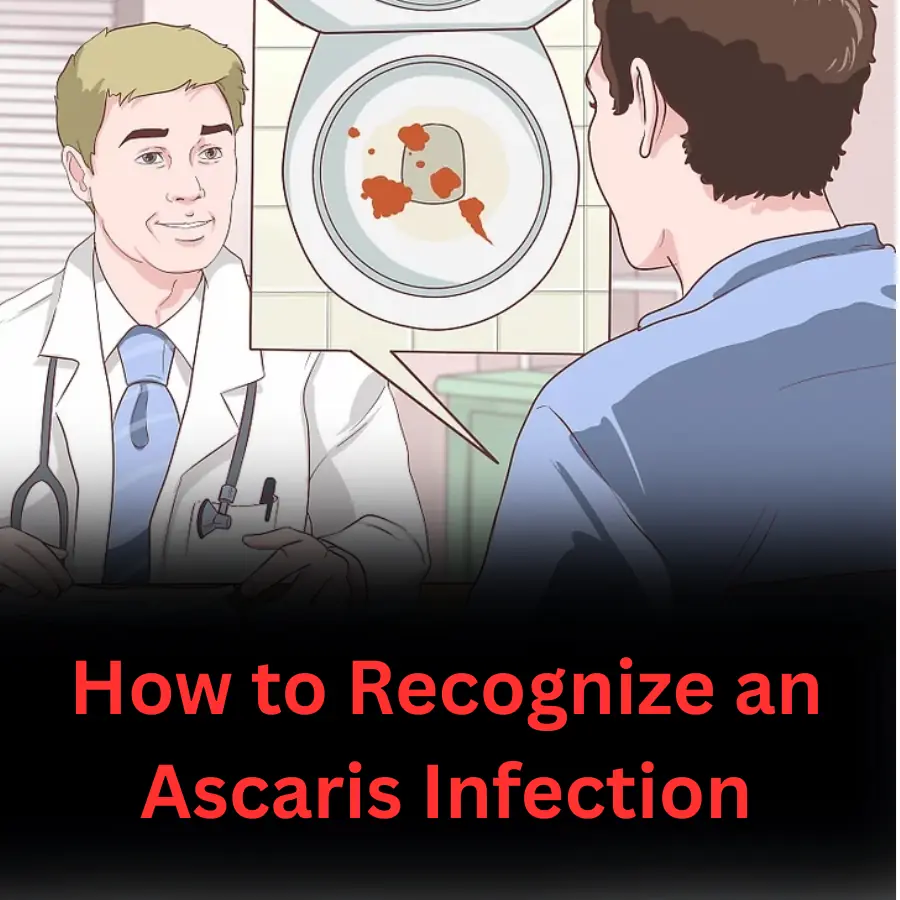
Ascaris infections are caused by a type of roundworm called Ascaris lumbricoides, which is one of the most common parasitic infections in humans. This infection usually happens when a person accidentally ingests the eggs of the worm, typically through contaminated food or water. The infection is known as ascariasis.
Signs and Symptoms of Ascaris Infection:
1. Early Stage (Larval Migration)
When the Ascaris larvae enter the body and start to migrate through the bloodstream to the lungs, it can cause the following symptoms:
-
Coughing: You may experience coughing, and sometimes it may include mucus.
-
Wheezing: This is caused by the larvae migrating through the lungs.
-
Shortness of breath: Difficulty in breathing can occur as the worms irritate the lungs.
-
Chest pain: Mild chest discomfort may be present due to the inflammation caused by the larvae.
-
Fever: A low-grade fever may occur as the body responds to the infection.
-
Fatigue: As the body fights the infection, you may feel unusually tired.
2. Later Stage (Adult Worms in the Intestine)
Once the larvae mature into adult worms and migrate to the small intestine, they can cause:
-
Abdominal pain: This may be cramping or generalized discomfort.
-
Nausea and vomiting: These symptoms can occur as the worms grow and move inside the intestines.
-
Diarrhea or constipation: Intestinal blockage may lead to diarrhea or constipation, sometimes with visible worms in the stool.
-
Loss of appetite: The presence of worms in the intestines may reduce your appetite.
-
Visible worms: In severe cases, worms may be seen in the stool or even protruding from the anus.
-
Weight loss: A prolonged infection can lead to malnutrition and unintentional weight loss.
3. Severe or Complicated Cases
In rare cases, if the infection becomes severe, it can lead to:
-
Intestinal blockage: Large numbers of worms can block the intestines, leading to severe pain, vomiting, and potentially life-threatening complications.
-
Peritonitis: This is an infection of the abdominal lining, which can happen if the worms cause an intestinal rupture.
-
Malnutrition: Chronic infections can lead to nutrient deficiencies due to the worms consuming nutrients from the host.
How is Ascaris Infection Diagnosed?
-
Stool Examination: The most common diagnostic method is examining stool samples for Ascaris eggs or worms.
-
Blood Tests: Blood tests can detect elevated eosinophil levels (a type of white blood cell), which often rise in parasitic infections.
-
Imaging: In severe cases, imaging tests like X-rays or ultrasounds may be used to identify blockages or the presence of worms in the intestines.
Treatment for Ascaris Infection:
-
Anthelmintic Medications: The standard treatment for Ascaris infection is antiparasitic medication such as albendazole, mebendazole, or ivermectin. These drugs help kill the worms in the intestines.
-
Supportive Care: In cases with complications, such as intestinal blockages, surgery or other medical interventions may be necessary.
Prevention Tips:
-
Good Hygiene: Wash your hands thoroughly with soap and water, especially after using the restroom and before eating.
-
Safe Food and Water: Ensure that food is properly cooked and that drinking water is clean and safe.
-
Avoiding Contaminated Soil: Avoid contact with soil that may be contaminated with Ascaris eggs, particularly in areas where sanitation is poor.
If you suspect you have an Ascaris infection, it’s essential to seek medical advice for diagnosis and treatment.