How to Unclog a Toilet
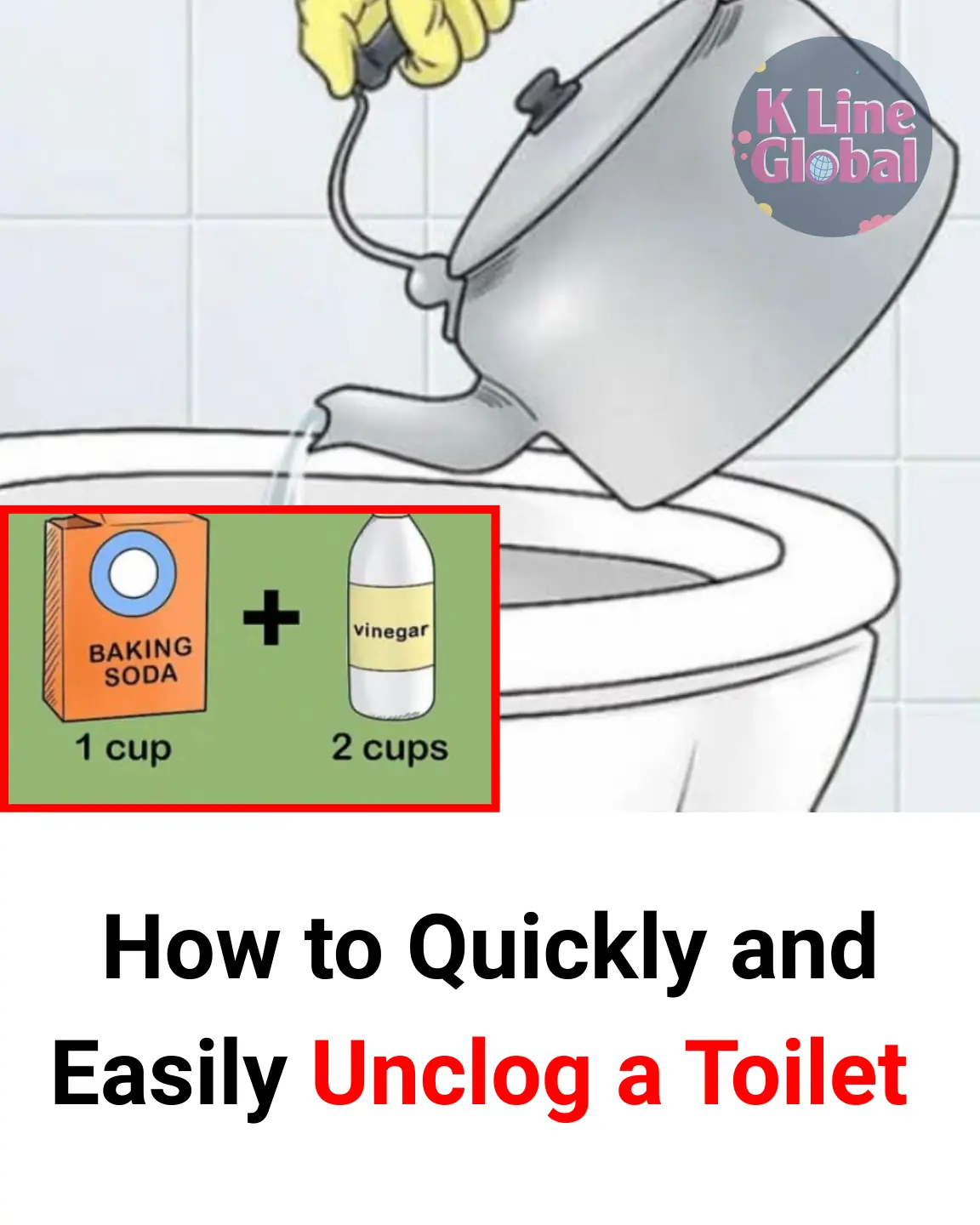
If you don't have a plunger, move a toilet brush back and forth inside the porthole to remove clogs. Or, pour 1 cup of baking soda and 2 cups of vinegar into the toilet followed by 1/2 gallon of hot water. Let the mixture sit overnight. In the morning, the bowl should have drained and you can flush the toilet as usual.
Plunging the Toilet
- Add water from the bathroom sink to the bowl if there isn’t enough water to cover the plunger.
- Running the plunger under hot water can soften it, which can help it create a better seal.
- Hopefully your plunger has an “extension flange.” This is the rubber extension after the bell-shaped part of your plunger and it’s designed to better fit the toilet opening.
- Find out how other wikiHow readers are unclogging their toilets (without calling a plumber) in the "I can't call a plumber but my toilet won't unclog. What can I do?" forum page.
- Be patient. As long as you don't have a hard object (like a kid's toy) stuck in there, plunging alone often suffices. It might not work immediately but will often work after a few dozen plunge cycles.
- Flush the toilet 2-4 times once you’re done plunging to move the blockage through the sewer system.
Using a toilet Brush (Plumber Recommendation)
- According to James, it helps if there is some water in the bowl.
Using an Unclogging Product
- Products of this sort can usually be purchased at home improvement stores in or near the plumbing aisle. Enzyme waste removal is preferable to using a drain-clearing chemical because it will not harm your pipes or the environment.
- This method will only work on organic waste, not toys or other objects.
Making a Drain Cleaner
Maybe you don’t have a plunger or the idea of plunging a clogged toilet with waste in it has you squeamish. If so, you should consider a homemade drain cleaner.
If your toilet tends to clog easily as the result of trying to flush too much waste, using a combination of hot water, baking soda and vinegar will often do the job as well as a commercial drain cleaner.
This method works better for clogs from waste and not clogs caused by hard obstructions like a toy and requires more time than plunging. Here’s how to do it:
- Use at least half a gallon. A small amount of water won't work, since it won't have enough force to push through the clog.
- The water should be no hotter than a hot tea you can drink comfortably. It should not be boiling, since very hot water can crack porcelain. You want to raise the temperature of the water passing around or pressing on the clog.
- If you don't have baking soda and vinegar on hand, try adding a few squirts of dish soap to the toilet bowl. The soap may help to loosen the clog.
- This method isn't likely to work for clogs caused by a hard obstruction, such as a toy.
Making a Wire Coat Hanger Snake
Stick the wrapped end of the wire into the drain.Once the wire is in the drain, twist it, push it, and maneuver it in a circular motion to clear the drain. If you can feel the obstruction, push against it. Keep going until the water begins to drain.
- Make sure you're wearing rubber gloves as you do this. You may get splashed as you move the wire around.
- If you can't feel an obstruction, and the toilet won't drain, the clog must be out of reach of the hanger. Try the plumbing snake method to clear it.
Using a Plumbing Snake
If the above methods aren’t working, it’s time to step it up with the use of a real plumbing snake.
- Crank the handle on an auger to push the wire through the clog.
Utilizing a Wet/Dry Vacuum
Using a Chemical Drain Cleaner
Another option to consider is using chemical drain cleaners. They are easy to use and widely available, but there are some things to consider before use. Many of these drain cleaners are toxic to humans and damaging to the environment.
If the drain cleaner is not successful at removing the clog, you now have a toilet bowl full of toxic chemicals. This would limit your ability to plunge the toilet safely as these chemicals can splash up at you and cause harm. Here’s how to use this method:
- Only use chemical drain cleaners that are specifically made for toilets. Using other drain cleaners may damage your toilet.
- If you suspect that there is a hard obstruction, like a toy, do not use a chemical solution. Instead, use a snake or call a plumber.
- Never mix different chemical cleaners together as the result could be extremely dangerous or even fatal fumes.

- Make sure the bathroom is well ventilated, so you won't inhale potentially dangerous chemicals.