How to Perform Reverse Kegels to Relax Your Pelvic Floor
Reverse Kegels are exercises that focus on relaxing rather than contracting the pelvic floor muscles, which is the opposite of traditional Kegels. This relaxation can help release tension in the pelvic area, improve pelvic health, and can also aid in better control during activities like urination or during intimacy.
Steps for Performing Reverse Kegels:
1. Start with a Comfortable Position
-
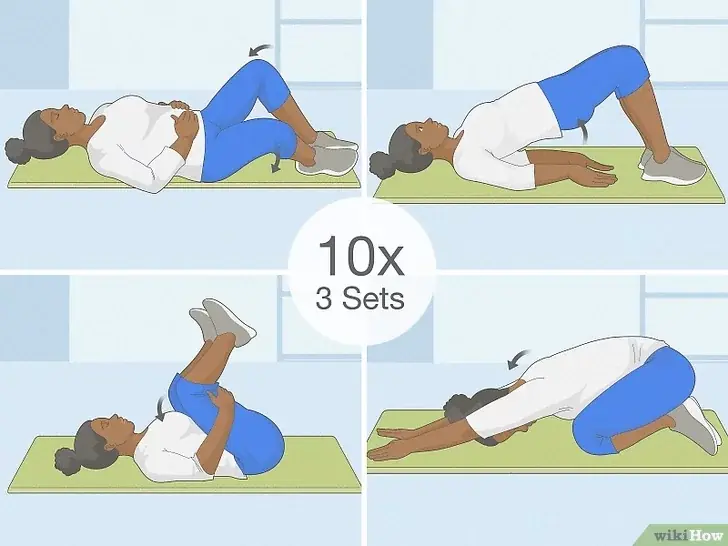
Begin by lying on your back on a mat or soft surface with your knees bent and feet flat on the floor. You can also try this exercise while sitting or kneeling if it’s more comfortable.
-
Keep your body relaxed and take a few deep breaths to settle into the position.
2. Focus on Your Breathing
-
Breathe deeply and slowly. Inhale deeply through your nose, allowing your belly to rise as you fill your lungs with air.
-
As you exhale slowly through your mouth, try to focus on relaxing the pelvic floor muscles.
3. Engage Your Pelvic Floor Muscles
-
To perform a reverse Kegel, focus on releasing your pelvic floor muscles, rather than contracting them as you would with a regular Kegel exercise.
-
Think of this as the opposite of stopping the flow of urine—you're letting the muscles “drop” or "release." You should feel a gentle stretching or opening of the pelvic floor area.
4. Use Gentle Movements to Enhance Relaxation
-
In some variations of the exercise, gently move your legs to enhance the release. For example, try pulling your knees toward your chest or gently extending one leg at a time while continuing to focus on relaxing the pelvic muscles.
-
As you perform the reverse Kegel, focus on relaxing the hips and lower abdomen.
5. Hold and Release
-
Hold the relaxation for about 5-10 seconds, and then return to a neutral position before repeating.
-
You can perform this exercise for about 5-10 repetitions in a row, allowing time to breathe deeply and relax between each.
6. Gradually Increase Duration
-
As you practice regularly, try to increase the duration of the relaxation phase. Over time, aim for 15-20 seconds of relaxation with each repetition.
-
The goal is to train your pelvic muscles to relax and release tension, which will contribute to overall pelvic floor health.
Why Reverse Kegels are Important:
-
Relieve Pelvic Floor Tension: Many people tend to unconsciously tighten their pelvic floor muscles, which can contribute to discomfort, pain, or difficulty with bodily functions like urination or sexual activity. Reverse Kegels help relax these muscles.
-
Aid in Pelvic Floor Rehabilitation: For individuals recovering from childbirth, surgery, or pelvic pain, reverse Kegels can be an important part of rehabilitation and recovery.
-
Improve Control During Urination and Sexual Activity: By learning to relax the pelvic floor, individuals can gain better control over their bladder and improve sexual function.
Tips for Success:
-
Be Consistent: Like any exercise, consistency is key. Practice reverse Kegels daily to experience the best results.
-
Listen to Your Body: If you experience any pain or discomfort during the exercise, stop and consult a healthcare professional to ensure you're performing the exercise correctly.
-
Avoid Over-Tensing: Focus on gentle relaxation, not forcing the muscles to stretch or release.
Conclusion:
Reverse Kegels are a valuable exercise for relaxing the pelvic floor muscles and promoting overall pelvic health. Whether you're recovering from childbirth, experiencing pelvic tension, or just looking to improve your pelvic floor function, these exercises can be a simple yet powerful addition to your routine. Consistency and proper technique will lead to the best results.