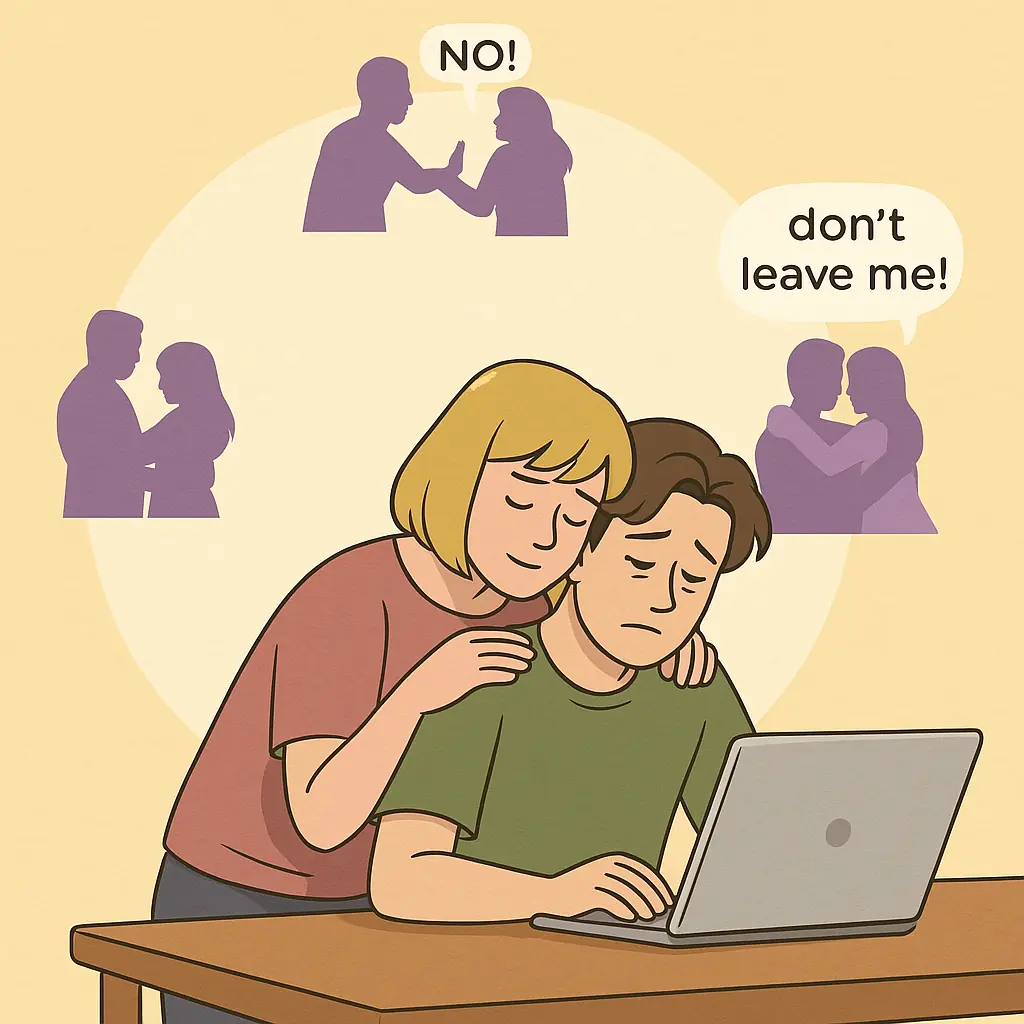
How to Fix an Emotionally Draining Relationship
Emotional drain in relationships can feel overwhelming and can take a toll on both partners. However, it's possible to make changes and rebuild a healthy, balanced dynamic. Here are some ways to fix an emotionally draining relationship:
1. Communicate Openly and Honestly
Open communication is key in any relationship. If you're feeling drained, it's important to express your feelings calmly and respectfully. Tell your partner how their actions or behaviors are affecting you emotionally. Avoid blaming language and focus on "I feel" statements, such as "I feel exhausted when we argue about the same things."
Tip: Encourage your partner to share their feelings as well. Mutual vulnerability can help both partners understand each other better.
2. Set Healthy Boundaries
Emotional draining can often stem from blurred boundaries. It's crucial to set boundaries for both your emotional and physical well-being. This could involve taking time for yourself, saying no when you’re feeling overwhelmed, or letting your partner know when certain behaviors are unacceptable.
Tip: Boundaries should be clear, specific, and respected by both parties. Be firm but kind in enforcing them.
3. Address Underlying Issues
Often, emotional draining is a result of unresolved conflicts or unmet needs. Take the time to address the root causes of the issues, whether they are communication problems, unmet emotional needs, or different expectations about the relationship. Seek to understand each other’s perspectives and work together to resolve conflicts constructively.
Tip: Consider seeking couples therapy if you need a neutral space to discuss deeper issues.
4. Take Time for Self-Care
If you're feeling emotionally drained, it's important to prioritize self-care. Make sure you're taking time for activities that help you relax, recharge, and feel good about yourself. This could include spending time with friends, practicing hobbies, exercising, or simply taking quiet time alone.
Tip: Encourage your partner to engage in self-care as well. When both partners are taking care of their own emotional health, it can lead to a more balanced relationship.
5. Practice Empathy and Compassion
Empathy is the ability to understand and share the feelings of another person. In a draining relationship, practicing empathy can help both partners feel heard and validated. When conflicts arise, try to put yourself in your partner’s shoes and approach the situation with compassion.
Tip: Show appreciation for your partner’s efforts and feelings, even when you don’t agree on everything.
6. Focus on Positive Reinforcement
Often, emotionally draining relationships can feel one-sided, with negativity dominating the interactions. Try to focus on positive reinforcement by recognizing and appreciating each other’s good qualities, achievements, and efforts. Positive affirmations can build emotional support and strengthen the bond between partners.
Tip: Compliment each other genuinely and celebrate small wins together.
7. Reevaluate the Relationship
Sometimes, emotional drain can signal that a relationship is no longer healthy or beneficial for one or both partners. If you've tried communication, setting boundaries, and addressing issues, but the emotional drain persists, it might be time to reevaluate the relationship. Consider whether it's a relationship worth investing in or if it might be healthier to part ways.
Tip: It's okay to walk away from a relationship that is not contributing to your overall happiness and well-being.
Conclusion
Fixing an emotionally draining relationship takes time, effort, and understanding from both partners. It requires honesty, setting boundaries, addressing underlying issues, and fostering a supportive environment where both people can thrive emotionally. If things improve, you’ll find yourself feeling more connected and energized rather than drained. If things don’t improve despite your best efforts, it might be time to seek professional guidance or reassess the relationship.