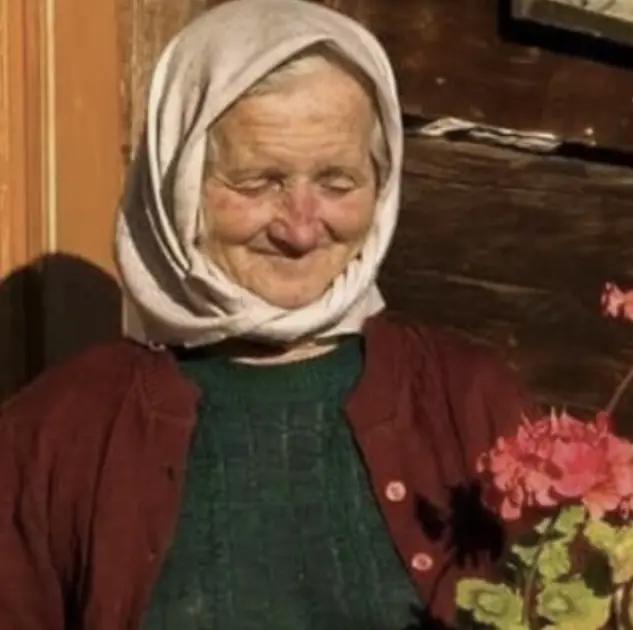
Every morning at eight, rain or shine, Evelyn sat on the old wooden bench facing the white cottage with the green shutters — the house that used to be hers.
The neighbors had grown used to her presence. They’d nod politely as they passed by, whispering to each other, She used to live there, poor thing. Some called her eccentric; others pitied her. But Evelyn didn’t care what they said. That house held thirty-eight years of her life, and though her name was no longer on the deed, her heart still lived within its walls.
She’d built that home with her late husband, Walter. They had bought it in 1964, when it was nothing but a crumbling structure with leaky pipes and peeling paint. Walter had worked nights at the mill and spent weekends fixing the place, while Evelyn painted walls, planted roses, and hung curtains she’d sewn herself. Together, they’d turned that house into a home.
And then, as life tends to do, time began to take things away.
Walter passed twelve years ago. A heart attack, sudden and merciless, took him while he was tending the garden. Evelyn had found him lying among the marigolds, his hand still clutching the trowel. For months afterward, she couldn’t step into the yard without trembling.
But the mortgage still needed paying, and the taxes kept rising. Her son, Philip, had promised he’d help — that she’d never have to worry. He’d been a good boy once: gentle, bright, always helping his father. But after Walter’s death, something in him changed. He began drinking, chasing easy money, and making promises he couldn’t keep.
“I’ll take care of it, Mom,” he’d said when the bank notices arrived. “Just sign this, and I’ll refinance everything. You’ll be safe.”
She’d signed without hesitation. She trusted him. After all, he was her only child.
Six months later, she lost the house.
The day the papers came, she thought it must have been a mistake. She’d walked all the way to the county office, trembling, clutching the eviction notice like a bad dream that could be undone if she only explained herself.
But the truth was cold and final: Philip had used the property as collateral for his debts, and when he defaulted, the bank took everything.
By the time Evelyn realized what had happened, the house had already been sold — to a young couple who’d seen it listed online. They were kind enough at first, apologetic even, but business was business.
So now, at eighty-two, she lived in a small rented room above the bakery on Maple Street. Her window overlooked the river, but it wasn’t the same. The air smelled of yeast and smoke instead of the roses Walter once planted.
Yet every morning, she took the bus back to the old neighborhood and sat on her bench — their bench.
She’d bought that bench with Walter the same summer they painted the shutters green. It used to sit beneath the oak tree in the front yard. The new owners had moved it closer to the street, probably not realizing what it meant to her.
At first, she’d sat there secretly, afraid they might tell her to leave. But when the wife — a young woman named Sarah — found her one morning, she didn’t scold her. She simply brought her a cup of tea.
“You used to live here, didn’t you?” Sarah had asked gently.
Evelyn nodded, smiling faintly. “My husband and I built it together.”
Sarah hesitated, then sat beside her. “It’s a beautiful home. We’re trying to keep it just the way it was.”
Evelyn’s eyes softened. “Take care of the roses in the back,” she said quietly. “They bloom in late May. Walter loved them.”
Sarah had promised she would. And she had kept that promise.
Weeks turned into months. Evelyn’s daily visits became part of the rhythm of the street. Sometimes Sarah would wave from the window or bring her a slice of cake. Sometimes she’d see the couple’s little boy playing where her own son once did, running barefoot across the grass, laughter ringing through the air.
It didn’t hurt as much as she thought it would.
Until one afternoon, she saw Philip.
She hadn’t spoken to him in nearly a year. He looked older than his forty-five years — gaunt, unshaven, eyes hollow. When he saw her on the bench, he froze.
“Mom,” he muttered, stuffing his hands in his pockets.
“Philip.” Her voice was steady, but her heart was breaking.
He looked down at his shoes. “I didn’t mean for it to happen like that. I thought I could fix it.”
“You thought you could gamble away what your father worked his whole life for,” she said quietly. “You didn’t just lose a house, Philip. You lost our home.”
He winced. “I know.”
For a moment, he almost looked like the boy she remembered — ashamed but still human.
“Why do you come here?” he asked, his tone half-curious, half-bitter.
“Because,” she said softly, “this was the last place I ever saw your father smile.”
He stared at her, then turned and walked away without another word. She watched him go, tears she’d refused to shed for months finally falling freely.
That night, Sarah found Evelyn still sitting there after sunset.
“Mrs. Wallace, are you all right?”
Evelyn nodded. “Just thinking.”
Sarah hesitated, then said, “You know… we’ve been talking about adding a small plaque to the bench. Something like ‘For those who loved this home before us.’ Would that be okay with you?”
Evelyn’s lips trembled. “That would be lovely.”
The seasons changed. Snow came and went. Evelyn grew frailer, her walks slower, her breath shorter. Yet she never stopped coming. Even when the cold bit at her bones, she’d bundle up in her faded blue coat and sit quietly, hands folded on her lap, watching the smoke curl from the chimney that was no longer hers.
One spring morning, she didn’t come.
Sarah noticed first. She waited an hour, then two, before walking down to the bakery. The clerk told her Evelyn had been taken to the hospital the night before. Pneumonia.
She went to visit her that evening.
Evelyn lay in the hospital bed, pale but peaceful. When she saw Sarah, she smiled faintly. “The roses… are they blooming yet?”
“Almost,” Sarah said softly. “They’re beautiful this year.”
Evelyn nodded. “Walter will like that.”
Sarah took her hand. “He would have loved the way you kept coming back.”
Evelyn’s eyes glistened. “When you love something long enough, it becomes part of you. Even if you lose it, it still lives here.” She pressed a trembling hand against her chest.
That was the last thing she said before falling asleep. She never woke again.
A few weeks later, when the roses finally bloomed, Sarah placed a small brass plaque on the bench. It read:
“In memory of Evelyn and Walter Wallace — who built this home with love, and never truly left it.”
Now, whenever the wind rustles through the garden, it carries the faint scent of roses and the whisper of something eternal — the quiet, enduring presence of a woman who never stopped loving the house that was once her world.
And in the soft light of morning, if you look closely, you might almost see her there — an elderly woman on a wooden bench, smiling at the home that still remembers her.