It started on an ordinary autumn evening. The leaves had just begun to fall in shades of copper and red, and the Thompson family was preparing dinner in their cozy countryside home on the outskirts of Devon, England. Emily, the youngest of the family, was the first to notice movement at the edge of the garden.
“Mom,” she whispered, pointing through the glass doors that opened onto the backyard, “something’s out there.”
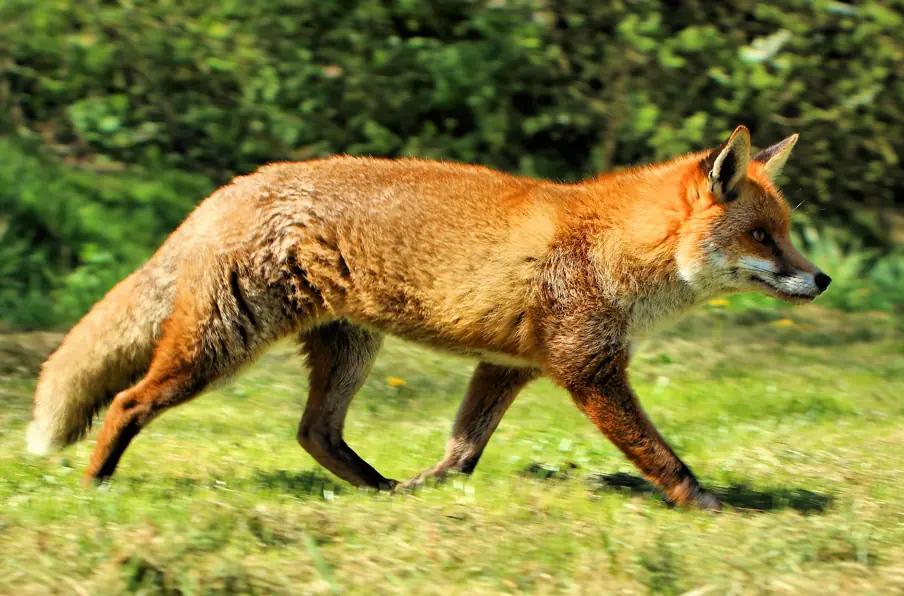
At first, her mother thought it was just a neighbor’s cat or perhaps a hedgehog. But as they looked closer, a sleek red fox stood under the old oak tree, its amber eyes reflecting the porch light. It was thinner than it should have been, its fur patchy in places, but it stood proudly, almost regal, as if it had every right to be there.
The Thompsons watched in silence. They lived in a rural village, and foxes weren’t uncommon, but usually they were quick, nervous creatures, darting away at the sight of people. This one was different. It didn’t run. It simply stared back, calm and curious, as though it had chosen them.
Over the following days, the fox returned. Always at dusk, always to the same corner of the garden. Emily began leaving small scraps of food—bits of chicken or sausages from dinner—despite her parents’ protests. “Wild animals shouldn’t rely on us,” her father said. “It’s not good for them.”
But the fox, whom Emily had named “Ash” because of the gray streak down his tail, seemed less like a beggar and more like a visitor. He never approached too closely, never tried to come inside. He would sit several meters away, eat quietly, and then disappear into the night.
The weeks turned into months. By winter, Ash’s visits had become a nightly ritual. Emily would rush home from school, bundle herself in a coat, and wait on the back steps for him to appear. Her laughter when she spotted him filled the house with warmth that even the fireplace couldn’t provide.
Her parents noticed a change too. Emily had always been a shy child, struggling to make friends and often anxious in social situations. But with Ash, she glowed with confidence. She kept a notebook, documenting every visit: what time he came, how much he ate, how his coat looked. It was as if she had found purpose in caring for something untamed.
Not everyone in the village approved. Some neighbors warned that foxes carried disease, that they would destroy gardens or harm pets. Mr. Harris, an older man down the lane, complained loudly about “that vermin” when he noticed Ash in the area.
But the Thompsons defended him. “He’s not a nuisance,” Emily’s father insisted one evening at the pub. “He’s part of our lives now.”
One frosty morning, Ash didn’t come. Emily waited for hours, her breath forming clouds in the cold air, but the garden stayed empty. The next day, still no Ash. She grew restless, fearing the worst.
On the third day, as snow began to fall, Emily spotted him again—but something was wrong. Ash limped badly, dragging his hind leg. His fur was matted with blood, likely from a trap or a fight with another animal. He collapsed under the oak tree, too weak to move further.
Emily cried out, running toward him before her parents could stop her. She knelt in the snow beside him, her small hands trembling as she stroked the fur near his ears. “It’s okay, Ash,” she whispered, tears streaming down her cheeks. “We’ll help you.”
Her father, though hesitant, couldn’t ignore the sight of his daughter so distraught. Together, they carried Ash into the shed, wrapping him in old blankets. They called a local wildlife rescue center, who promised to send a volunteer.
For three tense days, Ash stayed in the care of the rescue. Emily visited whenever she could, bringing him small treats and talking to him through the cage bars. Slowly, his strength returned. The limp remained, but his eyes were bright again, full of that quiet dignity that had first captured her heart.
When the rescue declared him healthy enough to return to the wild, Emily faced a painful truth. “But what if he doesn’t come back?” she asked, her voice breaking.
“He might not,” her mother said gently. “But that’s the way it should be. He belongs out there.”
The release day was bittersweet. They drove to a wooded area near the coast, far from traffic and farms. The carrier door opened, and Ash stepped out cautiously. He looked back once—just once—before vanishing into the trees. Emily sobbed quietly into her father’s coat.
For weeks afterward, the garden felt empty. Every dusk, Emily would glance toward the oak tree, half-hoping to see that flash of red fur. But he didn’t return. Slowly, she accepted it. Ash had been a chapter in her life, one she would never forget.
And then, one spring evening, nearly three months later, there he was. Ash stood under the oak tree, his limp still visible but less pronounced. Emily gasped, running outside. This time, she didn’t offer food. She just stood, smiling, as Ash sat calmly, the two of them sharing the quiet of the fading light.
From then on, his visits were irregular. Sometimes weeks passed without sight of him. But whenever he came, Emily no longer worried about losing him. She had learned something vital: true love for nature meant letting it be free.
Years later, when Emily left home for university, she often told the story of Ash the fox. She wrote essays about him, even gave a speech about human connections with wildlife. That wild, injured creature had not only healed but had given her the courage to grow into herself.
Ash was never truly hers, and that was the beauty of it. He had chosen her family’s garden for reasons they would never know. And in return, he gave them something priceless: wonder, healing, and the reminder that even the wildest hearts can touch our own.