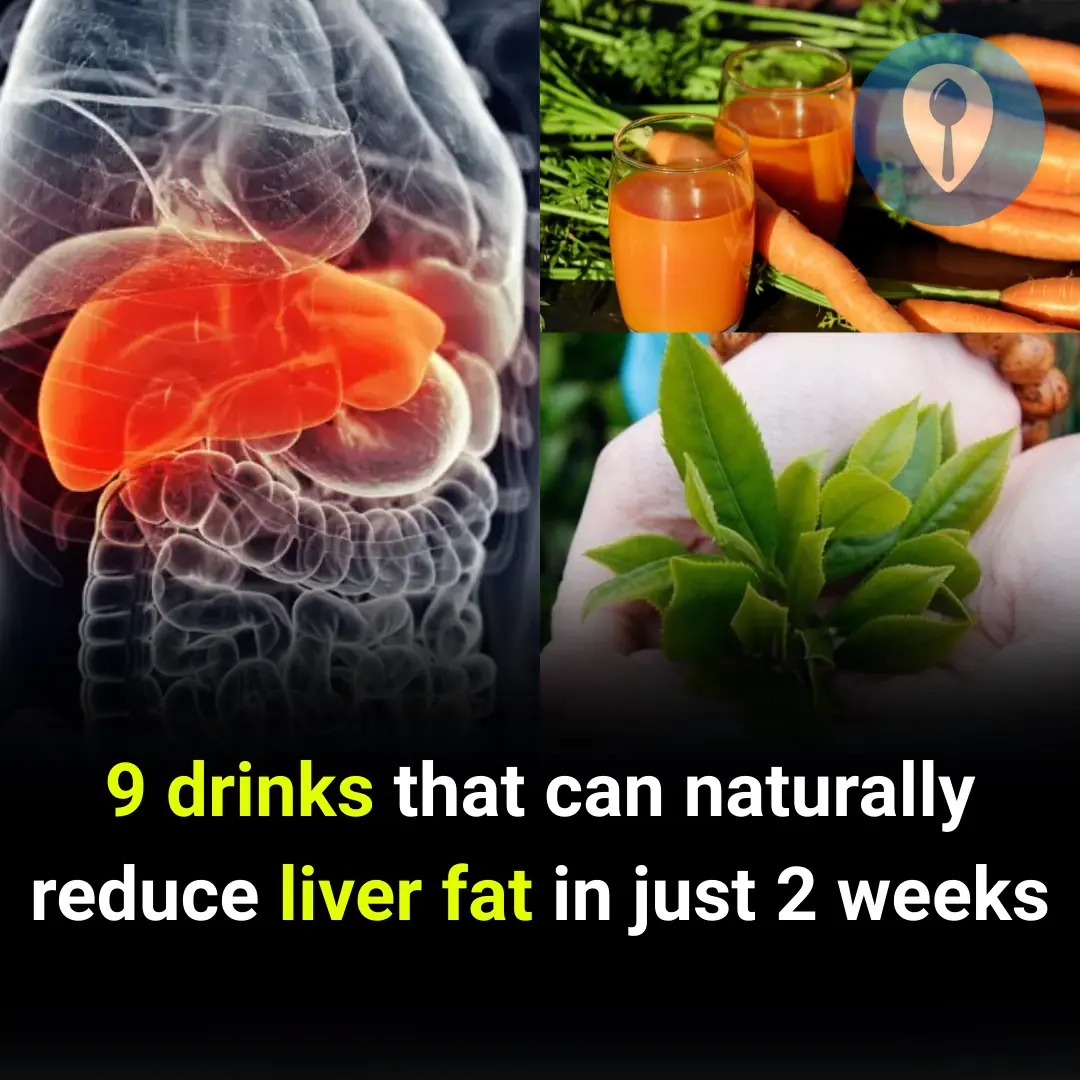
Non-alcoholic fatty liver disease (NAFLD) has become one of the most common liver conditions worldwide. Poor diet, lack of exercise, excessive sugar intake, and obesity often contribute to fat buildup in the liver. Left unmanaged, fatty liver can progress to inflammation, fibrosis, or even cirrhosis over time.
Fortunately, simple lifestyle changes — particularly focusing on what you eat and drink — can make a significant difference. Along with a balanced diet and regular physical activity, incorporating certain beverages into your daily routine may accelerate the reduction of liver fat and improve liver function.
Here are nine drinks that research and traditional wisdom highlight as natural helpers in restoring liver health. If consumed consistently for two weeks, many people notice improvements in digestion, energy, and overall well-being.
1. Green Tea
Green tea is one of the most well-researched drinks for metabolic health. Rich in catechins — a type of antioxidant — green tea helps reduce inflammation, improve fat metabolism, and protect liver cells from oxidative damage.
Several studies suggest that people who drink 2–3 cups of green tea daily have lower levels of fat accumulation in the liver. It also enhances thermogenesis, the process by which your body burns calories for heat.
For best results, choose freshly brewed green tea rather than bottled versions that often contain added sugars.
2. Warm Lemon Water
Starting your day with a glass of warm lemon water is a popular detox practice — and for good reason. Lemons are high in vitamin C, which helps the liver produce glutathione, a key antioxidant that assists in detoxifying harmful substances.
Drinking lemon water first thing in the morning supports hydration, boosts digestion, and gently stimulates the liver. The acidity of lemon also aids in bile production, helping your body metabolize fats more efficiently.
3. Beetroot Juice
Beets are naturally rich in betaine, a compound known to protect the liver and promote detoxification. Beetroot juice also improves blood flow, reduces oxidative stress, and has been linked to better liver enzyme levels.
One small glass of beetroot juice a few times a week can support the breakdown of fatty deposits in the liver. Blending it with carrots, apples, or ginger creates a more palatable and nutrient-dense drink.
4. Black Coffee
Coffee lovers can rejoice: moderate coffee consumption has been associated with a lower risk of fatty liver disease. Black coffee is loaded with antioxidants, especially chlorogenic acid, which can help reduce inflammation and fat accumulation in the liver.
Research suggests that drinking 2–3 cups of unsweetened coffee per day can lower liver enzyme levels and reduce the risk of progression from fatty liver to fibrosis or cirrhosis.
Just be cautious with sugar and creamers, which may negate the benefits.
5. Diluted Apple Cider Vinegar (ACV) Drink
Apple cider vinegar has long been praised for its role in blood sugar control and digestive health. When diluted in water, ACV may also help improve fat metabolism and reduce excess fat in the liver.
Mix one tablespoon of raw, unfiltered apple cider vinegar into a glass of water and drink before meals. This simple tonic supports digestion, enhances satiety, and prevents overeating — indirectly helping liver health.
6. Turmeric Tea
Turmeric, often referred to as the “golden spice,” contains curcumin — a powerful anti-inflammatory and antioxidant compound. Curcumin has been shown to reduce fat buildup in the liver and protect against liver injury.
Turmeric tea or “golden milk” (made with turmeric, black pepper, and warm milk or plant-based alternatives) is a soothing drink to include in your evening routine. Black pepper enhances curcumin absorption, making the drink even more effective.
7. Grapefruit Juice
Grapefruit is packed with two liver-friendly antioxidants: naringin and naringenin. These compounds help protect liver cells, reduce inflammation, and encourage fat burning.
Drinking a small glass of fresh grapefruit juice in the morning can improve metabolic balance. However, grapefruit may interfere with certain medications, so consult your doctor if you are on prescription drugs.
8. Ginger Water
Ginger has strong anti-inflammatory and digestive properties. Drinking ginger-infused water can enhance nutrient absorption, reduce bloating, and support detoxification.
Studies suggest that ginger helps lower liver enzyme levels and prevents fat buildup in the liver. To prepare, steep a few slices of fresh ginger in hot water, let it cool, and sip throughout the day.
9. Kale, Blueberry, and Kefir Smoothie
This powerhouse smoothie combines leafy greens, antioxidant-rich berries, and probiotic-packed kefir. Kale is a nutrient-dense vegetable that supports detoxification pathways, blueberries provide anthocyanins to fight oxidative stress, and kefir replenishes healthy gut bacteria, which indirectly benefits the liver.
Blending these ingredients creates a tasty, functional drink that not only helps reduce liver fat but also boosts overall digestive and immune health.
How to Incorporate These Drinks Into Your Routine
-
Aim to include 2–3 of these beverages daily, rotating them for variety.
-
Replace sugary sodas, energy drinks, and excessive alcohol with these natural alternatives.
-
Combine these drinks with a liver-friendly diet rich in vegetables, lean proteins, whole grains, and healthy fats.
-
Avoid processed foods, refined sugars, and fried meals that contribute to liver fat.
-
Stay physically active, as exercise accelerates fat metabolism.
Final Thoughts
Fatty liver disease can often be reversed through diet and lifestyle adjustments. While there is no single magic cure, regularly consuming these nine drinks may accelerate the process of reducing liver fat and improving liver function in as little as two weeks.
Consistency is key: sipping green tea, enjoying a glass of beetroot juice, or starting your morning with lemon water may seem like small changes, but together they create a powerful impact on your liver health.
Always remember to consult a healthcare provider before making significant dietary changes, especially if you have existing liver conditions or are taking medications.